
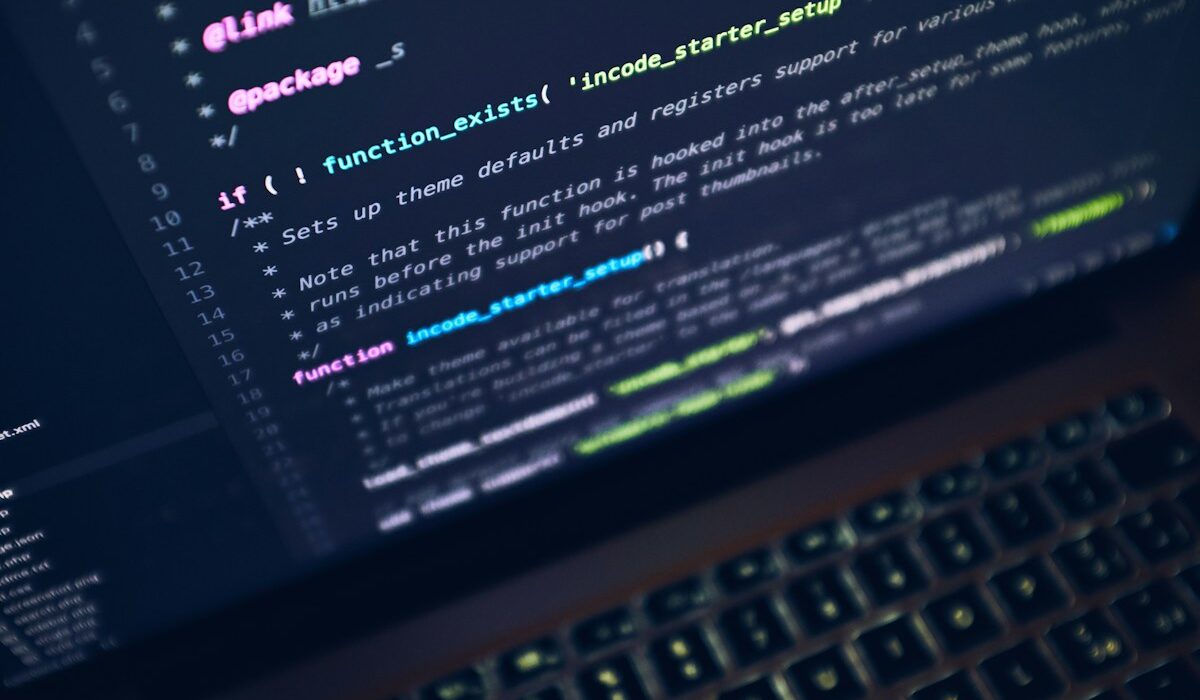
Smart contracts are programs deployed to a blockchain that execute defined instructions when users or other applications call them. They can move tokens, enforce access rules and coordinate decentralized applications, but their automation does not guarantee that the underlying code or inputs are correct.
How Smart Contracts Work
The National Institute of Standards and Technology describes a smart contract as code and data deployed through cryptographically signed transactions, with network nodes executing and recording the results. On Ethereum, a contract holds state and functions at a specific address, and an ordinary account or another contract can call those functions.
A contract does not independently browse the internet or decide what is fair. It follows its code and the data available to it, so applications that depend on outside prices or events typically use an oracle or another data-delivery mechanism.
Execution occurs on the base chain even when a user reaches the application through another interface. Scaling systems described in our Ethereum Layer 2 guide can process activity more efficiently, but users still need to understand which network and bridge they are using.
What Users Approve When They Sign
A wallet signature can authenticate a message, approve token spending or authorize a transaction that changes blockchain state. The precise effect depends on the request, which makes readable transaction details and limited allowances important safeguards.
Seed phrases should never be entered into an application to interact with a contract. Our crypto seed phrase guide explains why the recovery phrase controls the wallet itself, while individual transaction approvals should remain separate and narrowly scoped.
The Ethereum Foundation’s developer documentation notes that smart-contract interactions are generally irreversible by default. Users should confirm the contract address through an official project channel and treat blind signing as a warning that the wallet cannot clearly display what will happen.
Smart Contract Security and Upgrade Risk
Developers use automated tests, peer review, access controls and audits to look for vulnerabilities before deployment. Ethereum’s security guidance stresses that audits are useful but are not a complete solution, particularly when privileged administrator keys or upgrade mechanisms remain in place.
Upgradeability creates a tradeoff: teams can patch defects or add features, but authorized parties may also be able to change how a protocol behaves. Users should check who controls upgrades, whether a delay applies and what emergency powers exist.
Smart contracts also underpin services such as staking, lending and token exchange, yet each application adds its own economic and operational risks. The mechanics in our Ethereum staking guide show why contract design, validator rules and withdrawal procedures must be evaluated together rather than in isolation.

Elsy kanana
Elsy Kanana is a financial and cryptocurrency journalist at FusionMarketNews, covering digital assets, blockchain technology, financial markets, and emerging fintech trends. Her reporting focuses on market movements, regulatory developments, and on-chain analytics, delivering clear, data-driven insights to readers worldwide.



