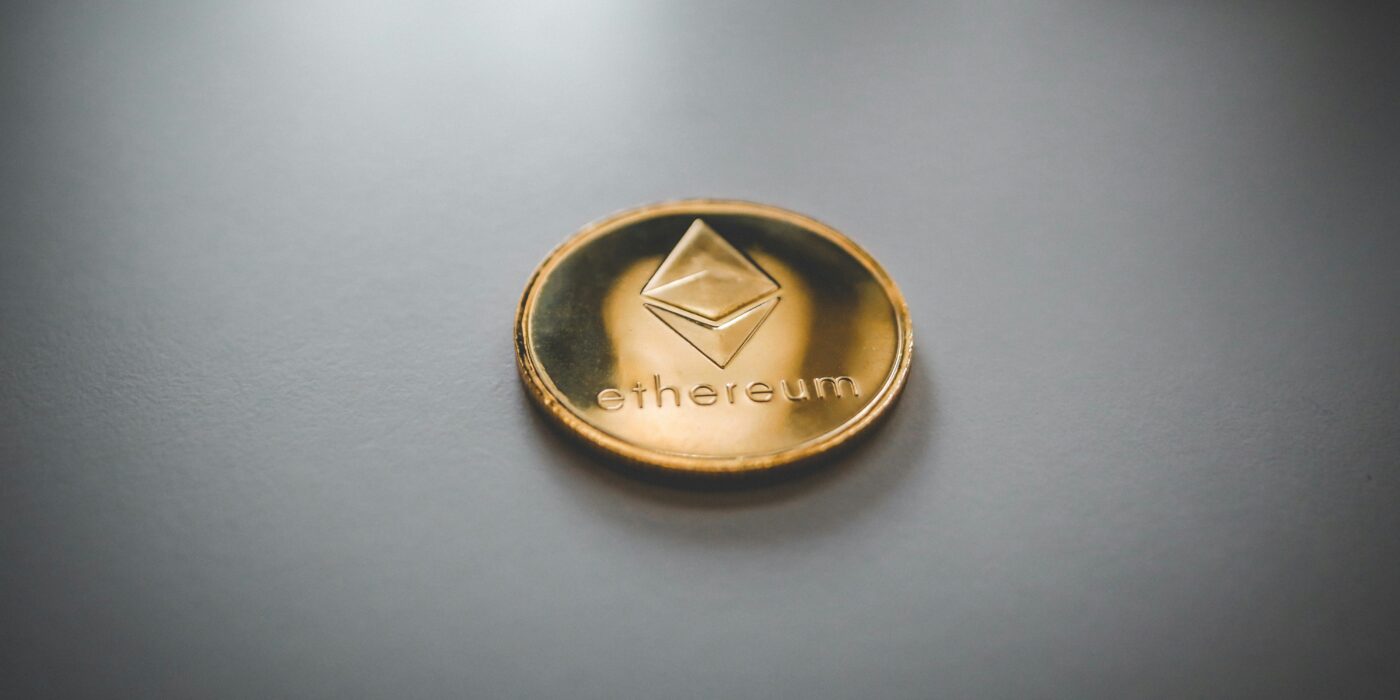
Ethereum staking offers ether holders several ways to support network security and receive protocol rewards. The main distinctions involve validator control, withdrawal access and the risks of intermediaries.
Key Insights
- Ethereum staking supports solo validators, pooled services and liquid-staking arrangements with different custody risks.
- Legacy validators use a 32 ETH effective-balance cap; compounding validators can reach 2,048 ETH.
- Withdrawals remain available, but exit queues and provider redemption rules can delay access.
How Ethereum Staking Works for Validators
Ethereum uses proof of stake to select validators that propose and attest to blocks. Validators earn rewards for participating correctly and can face penalties for violating consensus rules or failing operational duties, according to Ethereum.org’s staking documentation.
Solo staking gives operators direct responsibility for validator keys, software updates and reliable internet access. A validator requires at least 32 ETH, though the network’s compounding design also supports larger effective balances under specific withdrawal credentials.
Ethereum’s May 2025 Pectra upgrade introduced compounding validators with a maximum effective balance of 2,048 ETH. By contrast, legacy validator rewards above 32 ETH are normally swept automatically to the designated withdrawal address.
Ethereum Staking Pools Offer Different Risks
Investors holding less than 32 ETH can use pooled staking instead of operating a solo validator. Some services issue liquid-staking tokens, which represent a claim linked to staked ether and its accumulated rewards.
However, these arrangements introduce reliance on smart contracts, operators and redemption mechanisms. Ethereum.org notes that pooled staking services differ in liquidity, fees and control over validator withdrawal credentials. Its pooled-staking guide explains how rebasing and exchange-rate tokens distribute rewards differently.
Liquid-staking tokens can also trade at prices different from the underlying ether they represent. Investors therefore face market liquidity and counterparty risks in addition to the basic risks of staking.
Ethereum Staking Withdrawals and Exit Queues
Ethereum enabled staking withdrawals through the Shanghai/Capella upgrade in April 2023. Validators now can fully exit and receive their remaining balance, although network demand affects the time spent in the exit queue.
Legacy validators normally receive automatic withdrawals of rewards above the 32 ETH threshold. Compounding validators can retain rewards up to 2,048 ETH; partial withdrawals below that threshold require an execution-layer transaction and gas fees.
Users of staking pools follow their provider’s redemption procedures instead of withdrawing directly from individual validators. Ethereum.org’s withdrawal guide warns that available liquidity and the exit queue can affect redemption timing.
What Investors Should Compare Before Staking ETH
Staking returns vary with network participation and validator performance; no fixed yield applies across every service. Investors should compare disclosed fees, validator reliability, withdrawal terms and who controls the underlying assets.
Holding a liquid-staking token is also different from direct ownership of an operational validator. For broader product comparisons, Fusion Market News previously explained how spot Bitcoin ETFs handle custody and fees, while its fund-trading rules report examined safeguards for affiliated transactions.
Ethereum staking can generate protocol rewards, but those payments do not remove ether price exposure. Provider risk and withdrawal restrictions remain central considerations when evaluating how to stake.
Image credit: Nick Chong via Unsplash.

Elsy kanana
Elsy Kanana is a financial and cryptocurrency journalist at FusionMarketNews, covering digital assets, blockchain technology, financial markets, and emerging fintech trends. Her reporting focuses on market movements, regulatory developments, and on-chain analytics, delivering clear, data-driven insights to readers worldwide.