
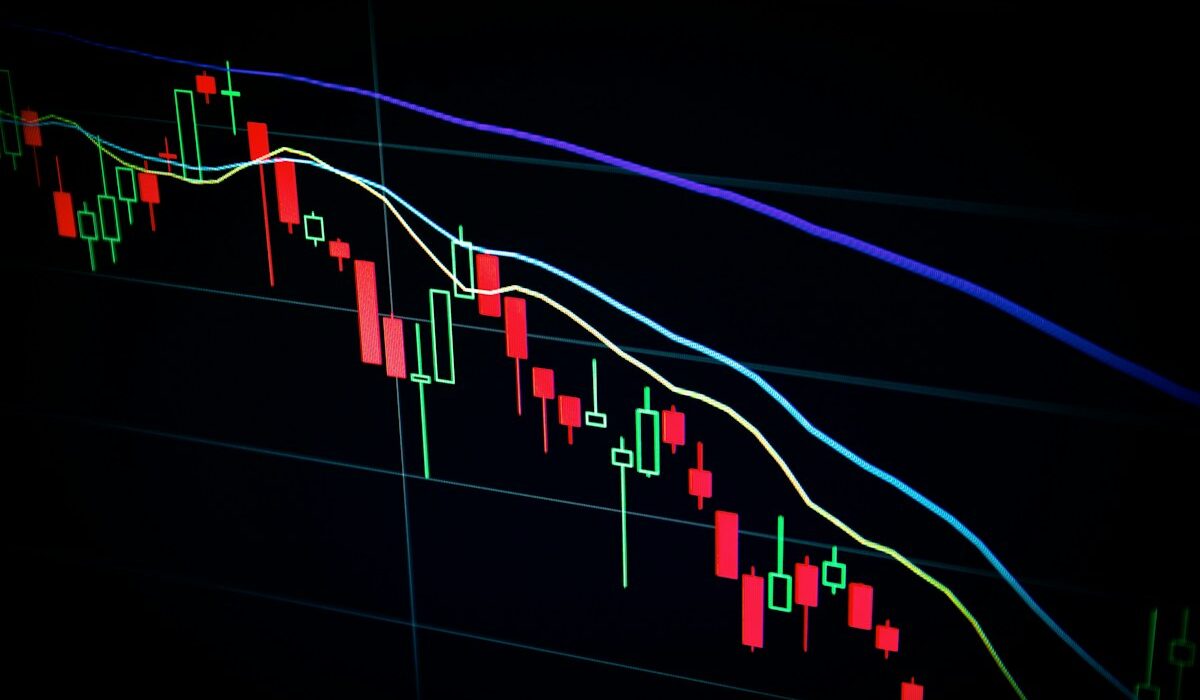
A stop-loss order instructs a broker to buy or sell a stock after its price reaches a specified trigger. The order then becomes a market order, meaning execution can occur above or below the chosen stop price.
The SEC’s Office of Investor Education and Assistance updated its guidance on August 18, 2026. The update separated stop orders from stop-limit and trailing-stop orders and emphasized their different execution risks.
How a Stop-Loss Order Works
According to the SEC’s updated investor bulletin, a sell stop normally sits below the current market price. Investors use it to limit a loss or protect an unrealized gain on a stock they own.
A buy stop normally sits above the market price. A trader with a short position may use one to limit losses if the security rises. In both cases, the stop level only activates the order; it is not a promised trade price.
Stop-Loss Order Versus Stop-Limit Order
A standard stop-loss order prioritizes execution once triggered. In a fast decline, available liquidity may sit well below the stop, creating slippage between the trigger and the fill.
A stop-limit order adds a minimum acceptable sale price or maximum purchase price. That protects price discipline, but the security can move through the limit before the order fills. The investor may then remain exposed while the market continues moving.
Short intraday swings can activate either order even if the stock later recovers. Brokerage firms may also use different trigger standards, including last-sale prices or quotations. Traders should review the firm’s policy before placing an order.
When Trailing Stops Change the Calculation
A trailing stop uses a dollar amount or percentage rather than one fixed trigger. As the security moves favorably, the stop follows it. When the market reverses, the trigger stops moving and may activate at the defined distance.
Order selection should reflect liquidity and volatility rather than a universal percentage. Fusion Market News explains why the bid-ask spread affects execution costs and how Nasdaq’s planned extended trading framework introduces additional market safeguards. Investors comparing individual companies can also review the price-to-sales ratio before deciding whether short-term protection fits a longer-term thesis.
A stop-loss order can enforce discipline, but it cannot remove market risk. Traders still face gaps, limited liquidity and temporary price swings, so the chosen order type matters as much as the trigger itself.

Sharron Kendi
Sharron Kendi is a seasoned crypto market analyst and writer with over three years of experience decoding blockchain trends, price movements, and market dynamics. She holds a Bachelor’s Degree in Commerce (Finance) from Kenyatta University, blending a solid academic foundation with a sharp eye for technical analysis and a deep understanding of on-chain data. Her work delivers clear, data-driven insights that empower investors to navigate the fast-evolving digital asset space with confidence.



