
Federal Reserve private credit data now identifies nonbank business lending separately in the U.S. Financial Accounts. The October 16 FEDS Note explains a September 2026 methodology change designed to make the sector’s funding chain more visible.
Federal Reserve Private Credit Data Closes a Visibility Gap
The Fed defines private credit here as privately negotiated business loans originated by nonbank investment funds. Until the September release, those loans and the vehicles behind them were not separately identified in the Financial Accounts because transactions are private and consistent data were limited.
The new framework uses confidential SEC Form PF information and other sources to build balance sheets for private debt funds, business development companies and related vehicles. That integration lets researchers trace funding from investors through funds to borrowing businesses.
What the $1.38 Trillion Estimate Includes
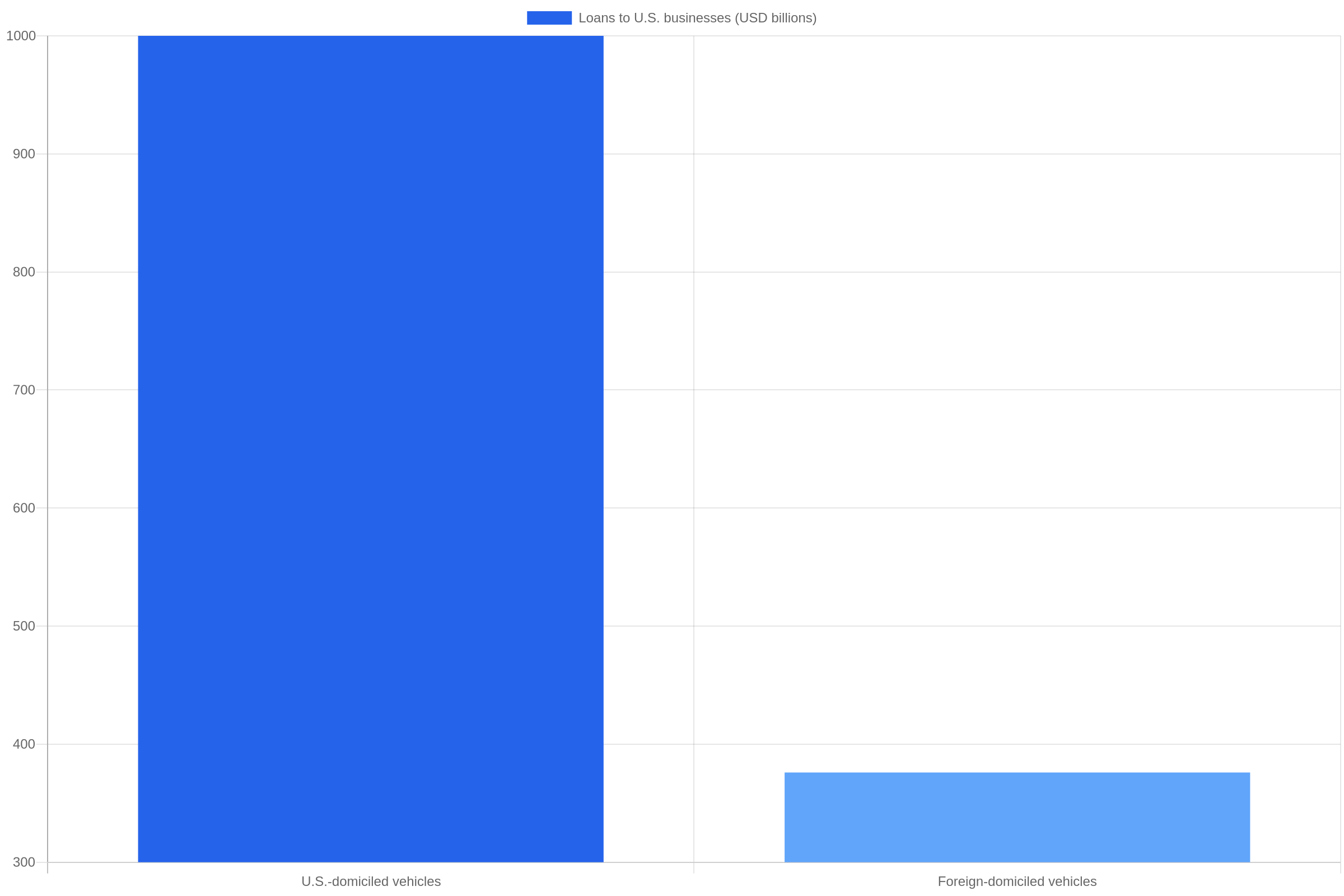
U.S.-domiciled vehicles—mainly private debt funds and business development companies—hold about $1 trillion, while foreign-domiciled vehicles hold $376 billion in loans to U.S. businesses. The combined figure is approximately $1.38 trillion, subject to rounding in the Fed’s published estimates.
The Federal Reserve note distinguishes the publication date from the September accounting change. Its accessible data appendix also shows who ultimately owns shares of private debt funds.
Why Investors and Regulators Care
Better sector-level data can improve analysis of business leverage, household exposure and financial-stability risks. It does not remove valuation or liquidity uncertainty, but it gives investors a clearer map of how credit risk moves outside traditional banks.
The change complements Fusion Market News’ coverage of the IMF’s leverage and crowding warning, the FCA’s benchmark-trading rule changes and recurring-revenue financing conditions at Nasdaq. Together, the stories show why funding structure and market plumbing matter when liquidity tightens.

Sharron Kendi
Sharron Kendi is a seasoned crypto market analyst and writer with over three years of experience decoding blockchain trends, price movements, and market dynamics. She holds a Bachelor’s Degree in Commerce (Finance) from Kenyatta University, blending a solid academic foundation with a sharp eye for technical analysis and a deep understanding of on-chain data. Her work delivers clear, data-driven insights that empower investors to navigate the fast-evolving digital asset space with confidence.