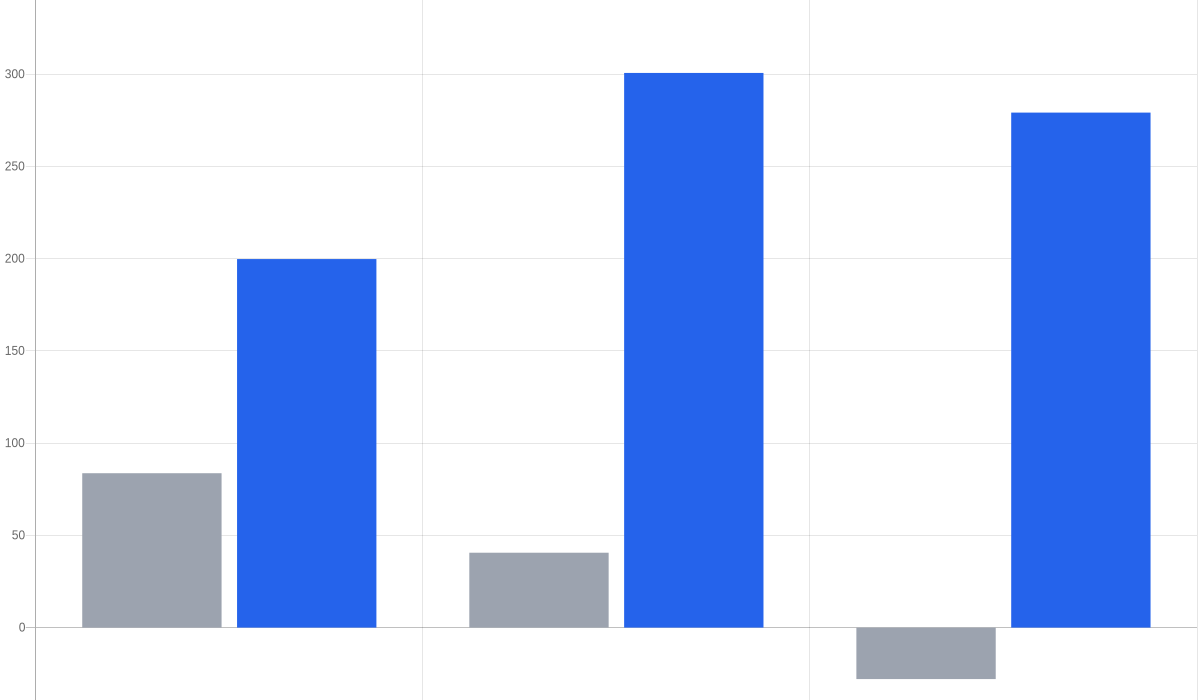
Net foreign capital entering the United States reached $199.8 billion in August 2026, according to Treasury International Capital data released Oct. 16. The monthly report covers August transactions, not current October flows, and points to a sharp increase in foreign purchases of long-term U.S. securities.
U.S. foreign capital inflow accelerates
The U.S. Treasury’s August TIC release split the total inflow into $178.5 billion from private investors and $21.3 billion from official institutions. The headline total combines long-term securities, short-term U.S. securities and banking flows.
July’s comparable net inflow was $83.7 billion, according to the prior Treasury release. The month-to-month increase was therefore $116.1 billion, although TIC figures can be volatile and are not seasonally adjusted.
Long-term securities drive August demand
Foreign net purchases of long-term U.S. securities reached $300.7 billion in August, compared with $40.6 billion in July. Private investors accounted for $257.8 billion and official institutions for $42.9 billion. After including U.S. residents’ $21.6 billion in purchases of foreign long-term securities, Treasury’s adjusted measure showed $279.2 billion in net foreign long-term purchases.

Shorter-term components moved in the opposite direction. Foreign holdings of Treasury bills fell by $47.8 billion, while total foreign holdings of dollar-denominated short-term U.S. securities and related custody liabilities declined by $37.8 billion. Banks’ net dollar liabilities to foreign residents decreased by $41.6 billion.
What TIC data does and does not show
TIC data measures cross-border financial flows, but it does not always identify the ultimate investor. Treasury notes that securities held through custodians in a third country may be assigned to that intermediary country. Foreign portfolio managers can create the same attribution problem.
The figures add context to recent U.S. macro releases, including September import prices and September industrial production. They also complement analysis of ECB repo haircuts and dealer constraints, which shows how funding conditions affect market liquidity. Treasury is scheduled to publish September TIC data on Nov. 18.

Sharron Kendi
Sharron Kendi is a seasoned crypto market analyst and writer with over three years of experience decoding blockchain trends, price movements, and market dynamics. She holds a Bachelor’s Degree in Commerce (Finance) from Kenyatta University, blending a solid academic foundation with a sharp eye for technical analysis and a deep understanding of on-chain data. Her work delivers clear, data-driven insights that empower investors to navigate the fast-evolving digital asset space with confidence.