The U.S. Employment Situation report for November 2026 is scheduled for Friday, December 4, at 8:30 a.m. Eastern Time, according to the Bureau of Labor Statistics. That is 4:30 p.m. in Nairobi, and the release will give markets their next official reading on payroll growth, unemployment and wages.
When the December jobs report is released
The BLS calendar lists the release for December 4, 2026, but the data reference month is November. That distinction matters: the event date is in December, while the survey period and most headline figures describe labor-market conditions in November.
The report is due before regular U.S. equity trading begins. Traders typically compare the result with inflation and activity evidence, including the Federal Reserve’s November Beige Book and recent inflation-expectations data.
What markets will watch
The establishment survey supplies the headline change in nonfarm payrolls, along with industry employment, hours and earnings. The household survey produces the unemployment rate, labor-force participation rate and other measures of workers’ labor status. Because the surveys use different samples and concepts, their monthly signals can diverge without either series being incorrect.
Average hourly earnings will be closely watched because wage growth can influence the inflation outlook. Participation also matters: a lower unemployment rate can look less encouraging if it reflects workers leaving the labor force rather than stronger hiring.
Why revisions can matter as much as the headline
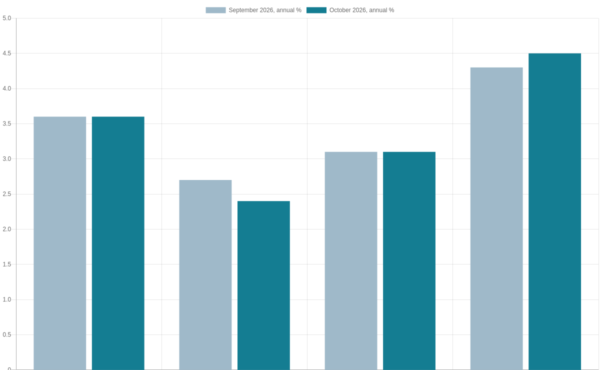
In the October Employment Situation report published November 6, nonfarm payrolls rose by 165,000 and unemployment held at 4.1%. Average hourly earnings increased 0.4% from September and 3.1% from a year earlier, while labor-force participation was 61.9%.
BLS also revised the combined August and September payroll estimates upward by 84,000. That is why investors should read the December 4 release beyond its first headline: changes to prior months can alter the direction and strength of the trend. The response may show up quickly in Treasury yields, the dollar and the next U.S. stock-market close.

Elsy kanana
Elsy Kanana is a financial and cryptocurrency journalist at FusionMarketNews, covering digital assets, blockchain technology, financial markets, and emerging fintech trends. Her reporting focuses on market movements, regulatory developments, and on-chain analytics, delivering clear, data-driven insights to readers worldwide.