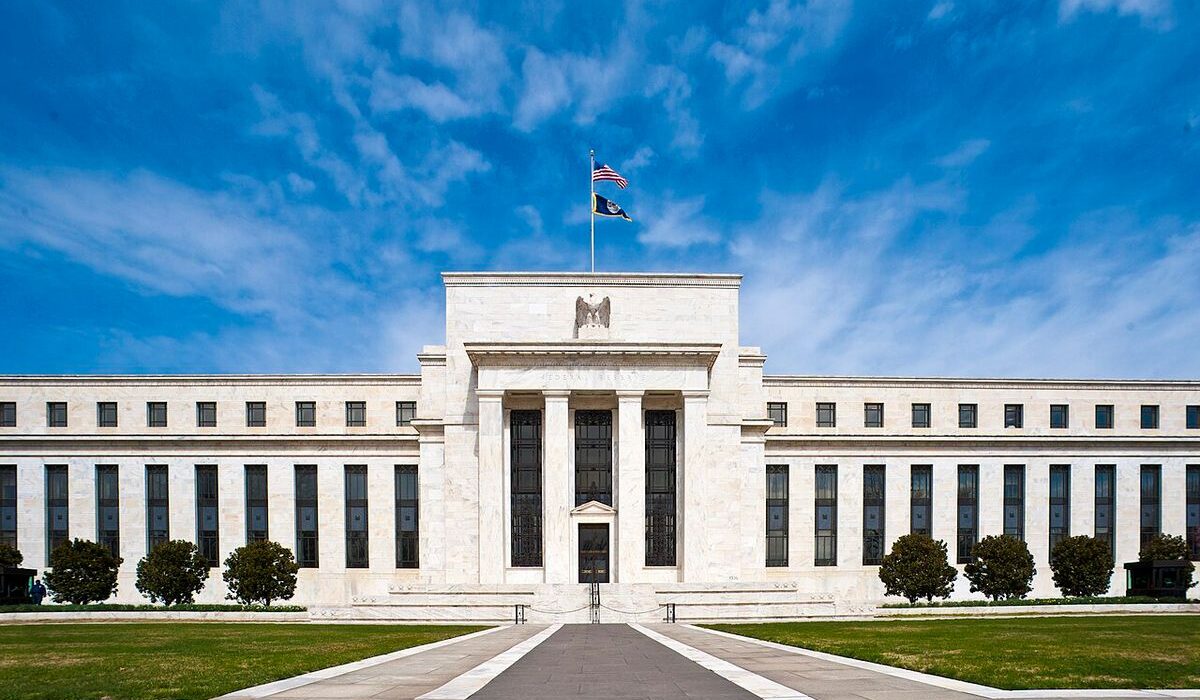
The Federal Reserve said eight of its 12 districts reported slight-to-moderate growth in the November 2026 Beige Book, while four reported no change. The Fed published the report on November 25, 2026; the Atlanta Fed prepared the national summary using information collected on or before November 16.
Key Insights
- Eight Federal Reserve districts reported slight-to-moderate growth, while four said activity was unchanged.
- Employment rose slightly, but many businesses kept head counts stable and hired mainly to replace departing workers.
- Prices rose moderately as energy, transportation, healthcare, insurance and tariff-related costs pressured businesses.
Growth Remains Broad but Uneven
The Fed’s national summary said consumer spending was little changed because households remained price sensitive and selective about discretionary purchases. Tourism and travel were solid, but auto sales softened as contacts pointed to elevated fuel prices and higher interest rates.
Residential real estate weakened as affordability limited demand, while construction declined under higher borrowing and building costs. Manufacturing grew modestly, supported by industrial demand that offset weakness in consumer-facing and housing-related goods. Those financing pressures add context to the recent split among Reserve Banks over the discount rate.
Banking conditions were little changed and loan demand remained subdued. Even so, most districts expected slight-to-moderate growth, a backdrop that investors can weigh alongside the government’s Treasury note auction schedule and broader borrowing needs.
Jobs and Prices Point to Caution
Employment increased slightly on balance, with many employers holding head counts steady and hiring mainly for attrition. Businesses said workers were generally easier to find, although skilled and technical jobs remained difficult to fill. Wages and benefits rose moderately, faster than the modest pace in the previous report.
Prices also increased moderately. The Fed said input-cost growth generally exceeded selling-price increases because competition and customer price sensitivity limited firms’ ability to pass through expenses. Contacts expected both costs and prices to rise further in coming months.
The full Beige Book is qualitative and does not represent the views of Federal Reserve officials. Its mix of modest growth, restrained hiring and persistent cost pressure gives markets a regional check on risks that also appear in the ECB’s financial-stability analysis.

Sharron Kendi
Sharron Kendi is a seasoned crypto market analyst and writer with over three years of experience decoding blockchain trends, price movements, and market dynamics. She holds a Bachelor’s Degree in Commerce (Finance) from Kenyatta University, blending a solid academic foundation with a sharp eye for technical analysis and a deep understanding of on-chain data. Her work delivers clear, data-driven insights that empower investors to navigate the fast-evolving digital asset space with confidence.