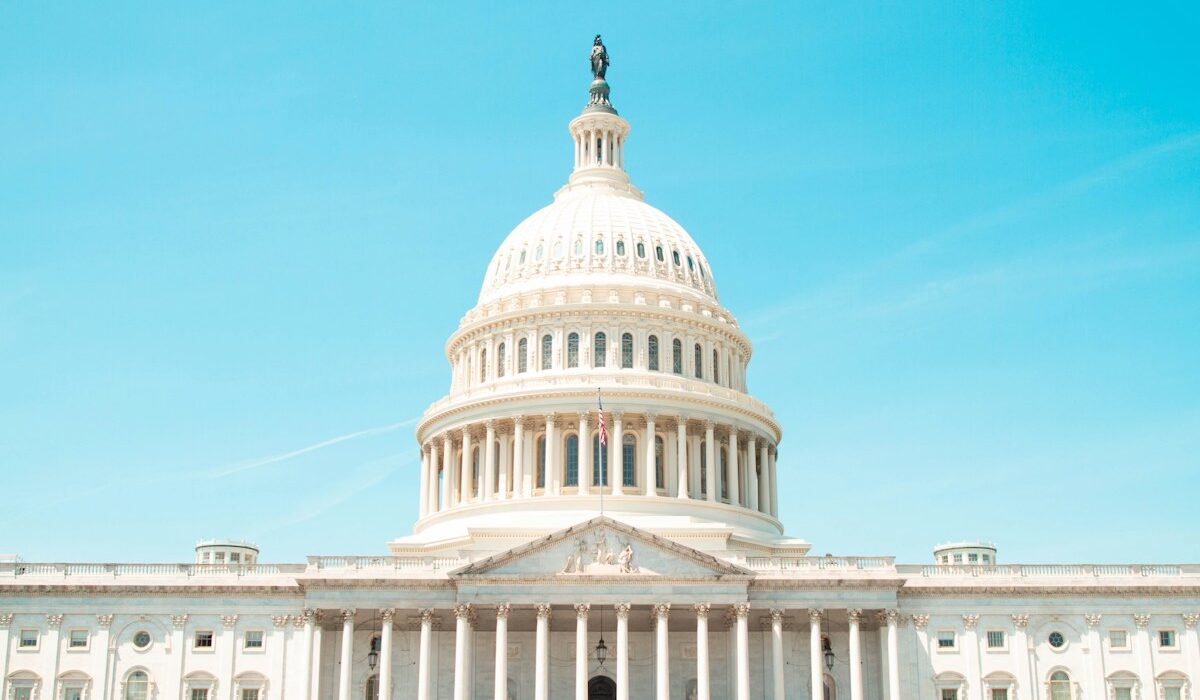
The 2026 U.S. midterm election takes place Tuesday, November 3, while the New York Stock Exchange and Nasdaq are scheduled to operate normally. Investors therefore face a regular trading session as votes are cast, followed by potential overnight reactions as congressional results become clearer.
When the 2026 Midterm Election Takes Place
The Federal Election Commission lists November 3 as the next regularly scheduled federal general election date. The FEC administers campaign-finance law, while state and local authorities manage voting, polling locations and result certification.
Election Day is not listed as a 2026 market holiday on the NYSE calendar or the Nasdaq trading calendar. Normal equity trading is therefore scheduled, although individual brokers may issue separate operational guidance.
What Financial Markets Will Monitor
Markets will focus on whether either party gains control of the House or Senate because congressional control shapes the prospects for tax, spending and regulatory legislation. A divided Congress can narrow the range of bills likely to pass, while unified control may increase expectations for policy changes. Those are political scenarios rather than guaranteed market outcomes.
The election also arrives shortly after the Federal Reserve held its target range at 3.75% to 4%, making the Fed’s split rate decision part of the policy backdrop. Investors will compare election headlines with inflation and growth signals rather than treating the vote as the only market driver.
Important Dates After Election Day
The Bureau of Labor Statistics schedules the October employment report for November 6 and October consumer-price data for November 10. Those releases can influence interest-rate expectations after the election. Europe’s policy backdrop also remains relevant after ECB forecasters raised their inflation outlook.
Investors should separate projections from certified results and verify state-level outcomes through official election offices. They should also remember that market prices may respond to economic releases, corporate results and central-bank policy alongside politics, as illustrated by the Bank of Japan’s recent rate and ETF-sales decision.

Elsy kanana
Elsy Kanana is a financial and cryptocurrency journalist at FusionMarketNews, covering digital assets, blockchain technology, financial markets, and emerging fintech trends. Her reporting focuses on market movements, regulatory developments, and on-chain analytics, delivering clear, data-driven insights to readers worldwide.