Ambarella and Liquid AI are combining efficient foundation models with low-power edge processors to run agentic AI directly on physical devices. The companies announced the collaboration on Nov. 24 and said developers can already access Liquid models through Ambarella’s Cooper Model Garden.
How the Ambarella and Liquid AI stack works
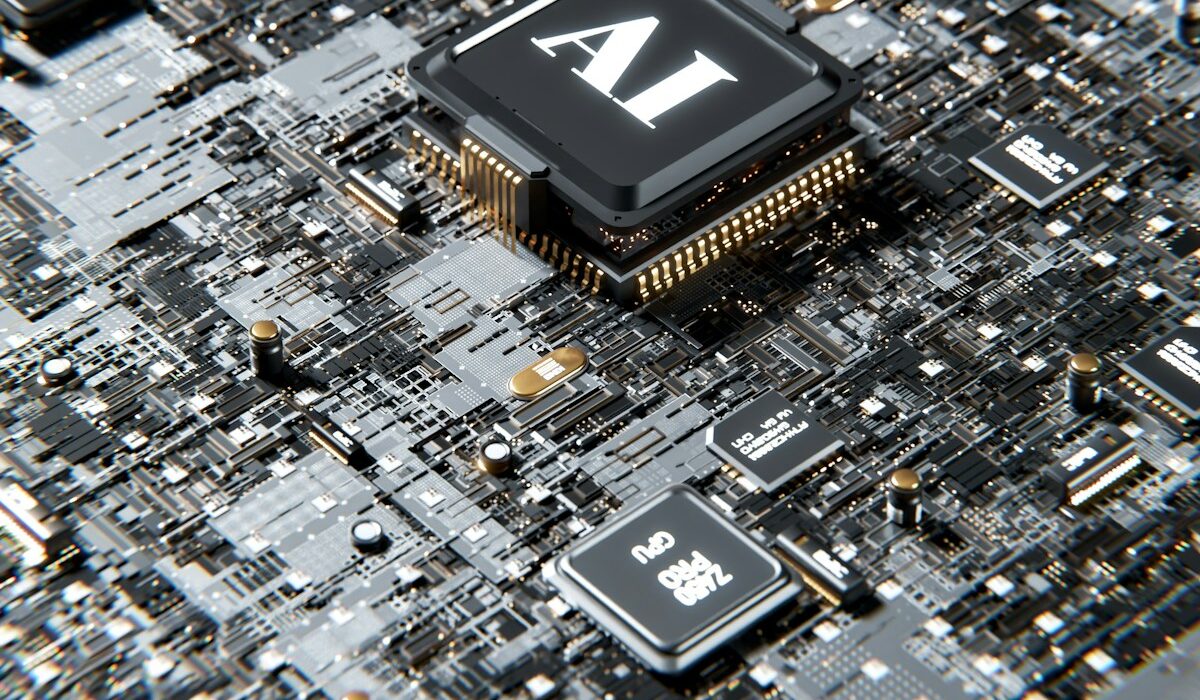
The collaboration pairs Ambarella’s CVflow AI architecture and video processing with Liquid AI’s compact foundation models and agent software. The companies said their first optimization work centers on the LFM3 model family, introduced in October, with the goal of lowering compute and memory use on edge hardware.
Running models locally can reduce latency and dependence on continuous cloud connectivity while keeping more data on the device. The partners are initially targeting intelligent security and smart infrastructure, where systems must interpret visual and contextual inputs, make decisions and act in real time. The Nov. 24 company announcement identifies rising memory prices and constrained DRAM supply as additional reasons to reduce memory requirements.
Why device-native agents matter
Most generative AI workloads still rely heavily on data centers, but physical systems often need fast responses when a network is unavailable or expensive. A smaller on-device model can handle perception, reasoning and action near the source of the data, while cloud systems remain available for heavier tasks.
The approach extends a broader shift toward distributed AI infrastructure. Recent developments include NVIDIA and Nokia moving AI-RAN into live telecom networks, Alibaba reporting stronger AI-related cloud demand and Opera expanding agentic browser features. Ambarella and Liquid AI must still show how performance, cost and reliability compare with cloud-heavy alternatives in production deployments.
This article is for informational purposes only and does not constitute investment, legal or financial advice.

Sharron Kendi
Sharron Kendi is a seasoned crypto market analyst and writer with over three years of experience decoding blockchain trends, price movements, and market dynamics. She holds a Bachelor’s Degree in Commerce (Finance) from Kenyatta University, blending a solid academic foundation with a sharp eye for technical analysis and a deep understanding of on-chain data. Her work delivers clear, data-driven insights that empower investors to navigate the fast-evolving digital asset space with confidence.