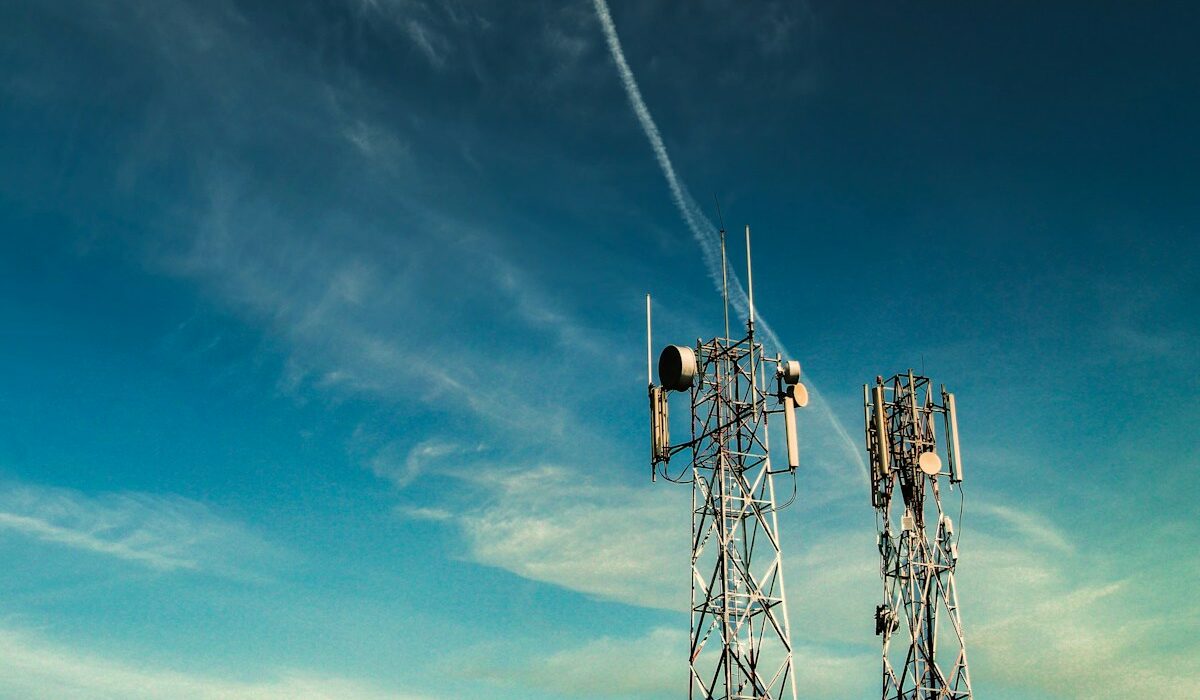
NVIDIA and Nokia are moving artificial intelligence from telecom laboratories into live mobile networks, giving operators a way to run radio access workloads and edge AI on the same accelerated platform. The companies announced the expanded deployment program on October 21, 2026, alongside trials and infrastructure plans involving T-Mobile, BT, Deutsche Telekom, Elisa, Orange and nine operators across Europe, the Middle East and Africa.
Key Insights
- T-Mobile completed what NVIDIA and Nokia described as the first AI-RAN call on a commercial network, using a live 5G standalone core in Bellevue, Washington.
- BT, Deutsche Telekom, Elisa and Orange are preparing or running live-network AI-RAN trials, while nearly 20 operators have publicly announced collaborations using Nokia software and NVIDIA infrastructure.
- The investment case extends beyond radio performance because operators could use the same distributed computing footprint for edge inference, voice intelligence, robotics and autonomous network operations.
AI-RAN Reaches Commercial Networks
The NVIDIA announcement said T-Mobile’s live call used commercial NVIDIA Aerial RAN Computer servers, Nokia’s CUDA-accelerated radio software, massive multiple-input multiple-output radios and an existing 5G standalone core. The test matters because it moved the workload beyond a closed laboratory and onto infrastructure connected to a commercial smartphone.
Nokia separately said the partners are creating a path from current 5G and 5G Advanced systems toward AI-native 6G. Its October 21 release positioned the platform as both a radio system and a sovereign edge-computing layer. That combination could help carriers use existing sites, power, fiber and spectrum for more than connectivity.
Operators Test Edge AI and Automation
Elisa reported a European field first after running voice, mobile data and video analytics together on one accelerated platform over 5G spectrum. BT plans live trials in Birmingham in 2027, while Deutsche Telekom expects to move validated lab work into field trials the same year. Orange is testing radio-efficiency improvements and low-latency voice intelligence for emergency and field-service teams.
The architecture also links to a broader physical-AI market. A recent Microsoft and Nvidia growth lab is backing startups that connect AI models with industrial systems, while new 5G slicing and security features are making edge routers more useful for controlled workloads. Telecom sites could become another place where these applications run close to machines and users.
What Investors Should Watch
The near-term milestones are deployment schedules, server orders and evidence that a shared AI-RAN platform improves network economics. NVIDIA introduced two new Aerial RAN Computer configurations for high-capacity sites, with Dell Technologies, Quanta Cloud Technology and Supermicro expected to offer compatible servers. However, several products and trials remain subject to development and commercial availability.
For Nvidia and Nokia, the opportunity is larger if operators buy accelerated infrastructure for both radio processing and paid edge services. Investors should track whether the nearly 20 announced collaborations progress into recurring deployments, whether 2027 field trials reach production and whether carriers disclose measurable gains in spectrum efficiency or operating costs. The broader AI infrastructure supply chain will also affect how quickly hardware reaches network sites.

Sharron Kendi
Sharron Kendi is a seasoned crypto market analyst and writer with over three years of experience decoding blockchain trends, price movements, and market dynamics. She holds a Bachelor’s Degree in Commerce (Finance) from Kenyatta University, blending a solid academic foundation with a sharp eye for technical analysis and a deep understanding of on-chain data. Her work delivers clear, data-driven insights that empower investors to navigate the fast-evolving digital asset space with confidence.