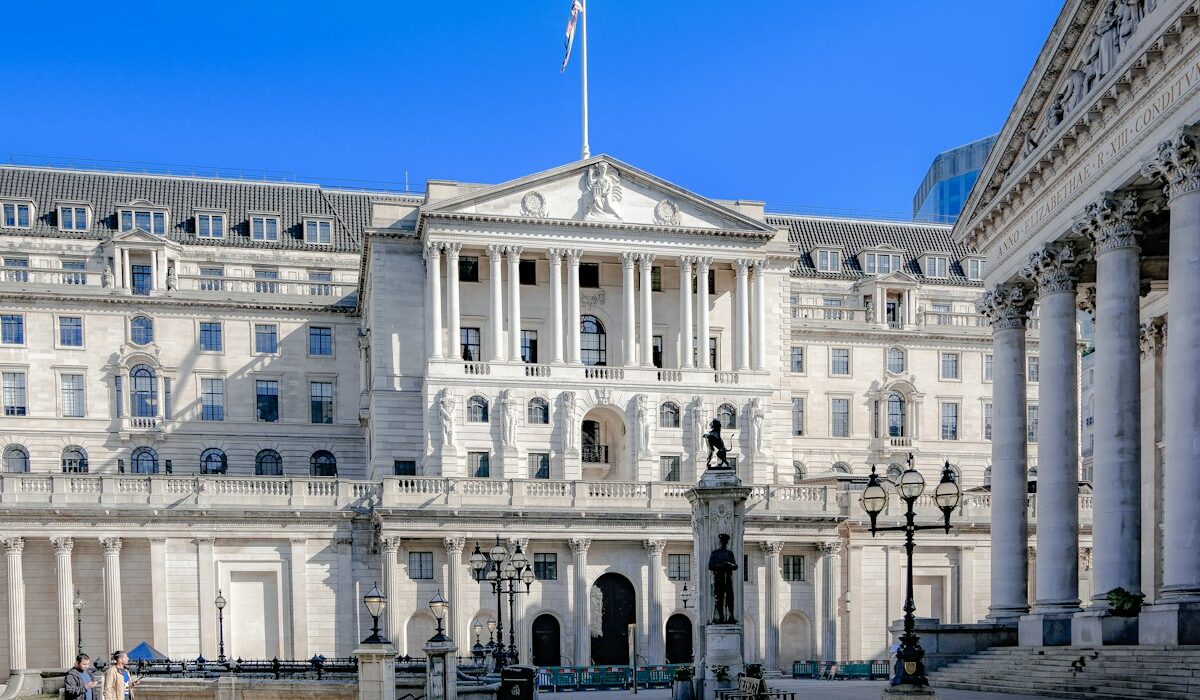
The Bank of England raised Bank Rate by 25 basis points to 4% on November 5, responding to a renewed inflation threat from elevated energy costs. The central bank said annual inflation had reached 3.5% and could climb to about 5% by mid-2027 before easing toward its 2% target.
Energy Shock Changes the Inflation Outlook
The Bank of England’s decision page, published on the same date as the policy event, linked the increase to conflict-related disruption in energy transportation and supply. Higher fuel and utility bills are already lifting household costs, while businesses may pass their own higher expenses into prices.
Officials said broad second-round effects on wages and other prices remain limited so far. However, the energy shock has lasted long enough that the committee now expects more pressure to enter the inflation pipeline. That assessment marks a clear change from the 3.75% setting discussed in Fusion Market News’ November decision preview.
Stronger Activity Raises the Policy Trade-Off
The Bank also described economic activity as more resilient than expected. Stronger demand can help households and companies absorb higher costs, but it can also make an energy-driven inflation shock more persistent if businesses retain pricing power and workers seek compensation for lost purchasing power.
The increase therefore aims to limit spillovers rather than reverse the initial rise in imported energy prices. Investors can compare that approach with the Federal Reserve’s recent split decision to hold U.S. rates and the European Central Bank’s updated inflation outlook.
What Markets Should Watch Next
Bailey said the November increase should not be treated as the first step in a predetermined series, but he also warned it may not be the last if the energy conflict persists. The next scheduled Bank Rate decision is December 17, making incoming wage, services-price and activity data central to the near-term path.
For sterling and U.K. government bonds, the key question is whether inflation expectations and domestic price setting confirm the Bank’s concern. A faster pass-through could keep yields firm, while evidence that the energy shock is fading would reduce pressure for another increase.

Sharron Kendi
Sharron Kendi is a seasoned crypto market analyst and writer with over three years of experience decoding blockchain trends, price movements, and market dynamics. She holds a Bachelor’s Degree in Commerce (Finance) from Kenyatta University, blending a solid academic foundation with a sharp eye for technical analysis and a deep understanding of on-chain data. Her work delivers clear, data-driven insights that empower investors to navigate the fast-evolving digital asset space with confidence.