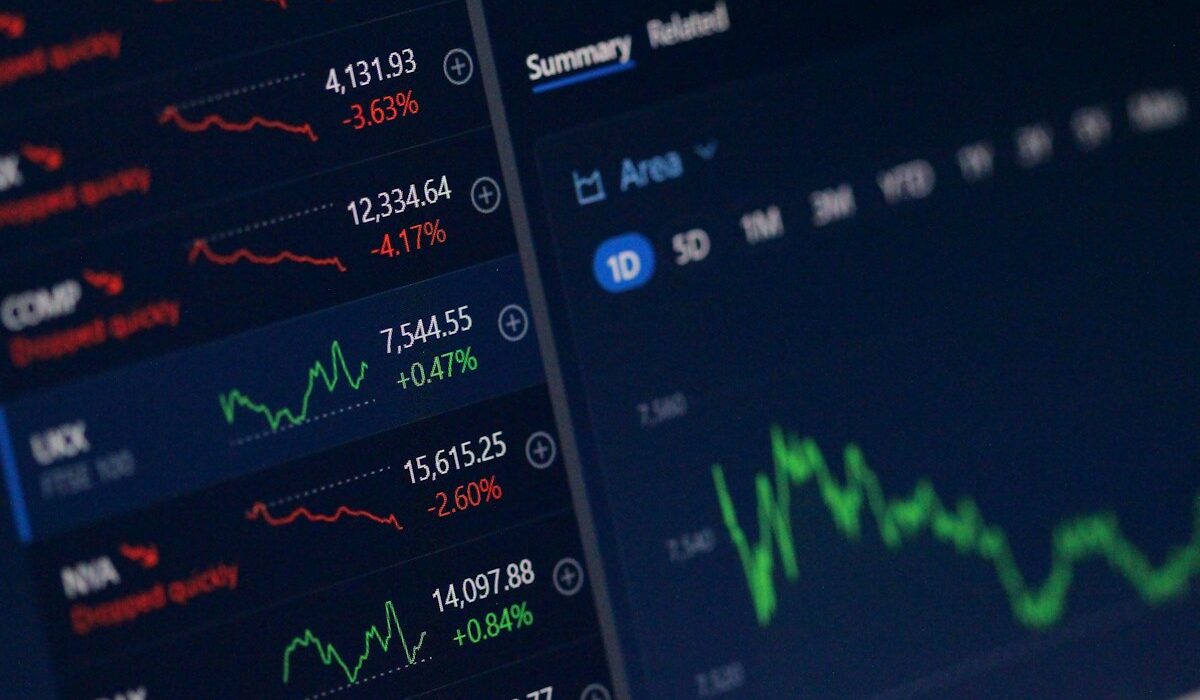
London Stock Exchange Group said on October 14 that it is working with Nvidia to accelerate analysis of its Tick History archive using the chipmaker’s cuDF software for GPU-based data processing. LSEG said benchmark tests processed years of historical market data in seconds rather than hours, although the company did not publish a universal speed-up figure for every workload.
The announcement matters for firms that need to test strategies, reconstruct market conditions or study liquidity without reducing the depth of the dataset. It also follows a broader push to apply AI to governed financial data, a theme reflected in recent coverage of Google’s large-scale AI data tools and enterprise controls for AI agents.
What LSEG and Nvidia tested
According to the official LSEG announcement, the benchmark used Nvidia cuDF with Polars to analyse LSEG Tick History on GPUs. LSEG said the design lets clients work with governed data without creating a separate full copy, preserving the permissions and controls attached to the source.
LSEG describes Tick History as holding 110 trillion rows across 100 million instruments, with records spanning more than 30 years and over 580 exchanges, trading venues and contributors. It also said traffic on its real-time network rose 29% year over year in the first half of 2026, reaching 26 million messages per second in June, while customer API requests for Tick History increased 48%.
Why faster historical analysis matters
Historical tick data is costly to move and process because it contains granular quotes, trades and order-book events. Faster GPU processing can let quantitative teams examine longer time periods and more venues without relying only on overnight batch jobs or stripping away detail.
LSEG identified quantitative research, execution analysis, risk testing, market replay and customer-built AI models as target workflows. Those uses do not guarantee better trading outcomes, but shorter analysis cycles can help firms test assumptions and investigate market behavior closer to the time decisions are made.
What investors should watch next
The companies did not disclose commercial terms, a rollout timetable or customer pricing. The next test will be whether financial institutions adopt the workflow broadly and can reproduce the benchmark gains on their own datasets, models and compliance environments.
The update also puts more attention on the infrastructure behind AI-driven market research rather than only on model capability. For context on current macro conditions that can shape those models, see the latest Federal Reserve Beige Book coverage.

Sharron Kendi
Sharron Kendi is a seasoned crypto market analyst and writer with over three years of experience decoding blockchain trends, price movements, and market dynamics. She holds a Bachelor’s Degree in Commerce (Finance) from Kenyatta University, blending a solid academic foundation with a sharp eye for technical analysis and a deep understanding of on-chain data. Her work delivers clear, data-driven insights that empower investors to navigate the fast-evolving digital asset space with confidence.