Google expanded Earth AI access on October 14, adding new tools for public-health forecasting, infrastructure planning and crisis resilience. The company said the system combines more than 70 geospatial tools with over 100 million searchable public datasets.
The announcement formed part of Google Research’s annual research update in Mountain View. It followed the company’s separate release of Deep Review for public technical-document checks.
Google Earth AI Expands Early Access
Google invited partners to test deeper geospatial analysis inside Google Earth. Participants can also generate risk assessments and compare potential scenarios through a planetary prediction engine.
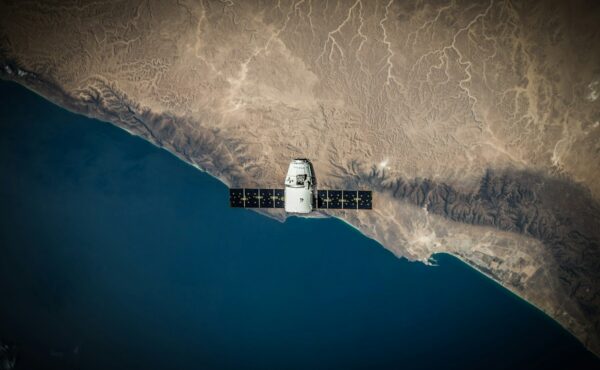
An experimental agent-to-agent interface lets developers add geospatial reasoning to their own workflows. Google said the interface can parse satellite imagery, evaluate routes and use demographic embeddings.
The system incorporates Google Dataset Search and its TimesFM forecasting model. Google described the tools as experimental and pointed to an Earth AI technical report for supporting benchmarks.
Public-Health Tools Target Disease Forecasting
Google said its geospatial foundation models can support forecasts for dengue, cholera and vaccination coverage. Public-health organizations could use those estimates to prepare interventions before local conditions worsen.
The initiative builds on wider corporate investment in applied AI. Recent projects include NVIDIA’s AI-defined manufacturing tools and IBM and Siemens chip research.
Google.org also announced $10 million for organizations working on crisis resilience and public health. That total includes $2 million for the Milken Institute to examine infrastructure bottlenecks affecting housing, energy, broadband and water systems.
Forecasting Access Comes With Research Limits
The new capabilities remain early-access or experimental services rather than finished public infrastructure. Google did not provide commercial pricing, deployment volumes or independent performance comparisons in its announcement.
Organizations will therefore need to test local data quality and forecast reliability before using the tools in operational decisions. Google said its foundation models and benchmarks provide the technical basis for that evaluation.
Primary sources: Google Research and Google’s Research@ announcement.

Sharron Kendi
Sharron Kendi is a seasoned crypto market analyst and writer with over three years of experience decoding blockchain trends, price movements, and market dynamics. She holds a Bachelor’s Degree in Commerce (Finance) from Kenyatta University, blending a solid academic foundation with a sharp eye for technical analysis and a deep understanding of on-chain data. Her work delivers clear, data-driven insights that empower investors to navigate the fast-evolving digital asset space with confidence.