Key Insights
- PENG stock rose about 6% after Penguin Solutions raised its fiscal 2027 sales midpoint to $2.43 billion.
- Fiscal fourth-quarter sales increased 68% to $566.7 million, while GAAP operating income reached $69.5 million.
- The company added six AI infrastructure customers in the quarter and disclosed a 36,000-GPU Norway deployment.
PENG stock traded near $64.21 late Tuesday, up about 6%, after Penguin Solutions issued a stronger fiscal 2027 outlook. The company now expects roughly $2.43 billion in sales at the midpoint, about $260 million above its preliminary view.
The October 6 update tied the revision to faster AI infrastructure deployments and continued memory demand. It also raised the earnings bar, with non-GAAP diluted EPS now projected at $4.45 for fiscal 2027.
PENG Stock Gets a $260 Million Guidance Reset
Penguin’s previous preliminary forecast pointed to fiscal 2027 sales of about $2.17 billion. The new midpoint of $2.43 billion implies roughly 40% growth, with a range of plus or minus 10 percentage points.
The magnitude matters because the company generated $1.73 billion in fiscal 2026 sales. Hitting the new midpoint would add about $700 million of annual revenue within one year, according to calculations based on the company’s official earnings release.
The earnings target rose alongside sales. Penguin forecast GAAP diluted EPS of $3.50 and non-GAAP EPS of $4.45, representing projected growth of about 35% and 55%, respectively.
Those targets carry execution risk because the company allows a 10-percentage-point swing around its sales-growth estimate. The outlook also assumes that large AI deployments convert into recognized revenue without material supply or installation delays.
AI Infrastructure Wins Expand Beyond a Single Customer
Penguin added six AI infrastructure data-center customers during the fourth quarter, including four neocloud providers. It added 17 such customers across fiscal 2026, while 12 existing customers expanded their business.
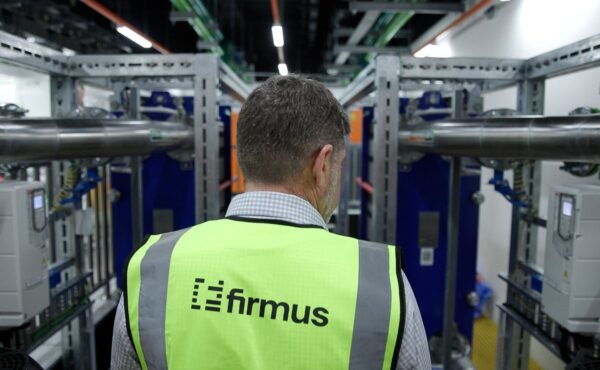
The largest disclosed project is a 36,000-GPU AI factory in Norway for a neocloud customer. Penguin said that customer holds $10 billion of contracted compute from a leading AI laboratory, although it did not identify either company.
Another customer has more than $3 billion in signed, multi-year contracts. Penguin will provide deployment and round-the-clock operations services through its ClusterWareAI software.
This service-heavy model separates Penguin from many names in our Q4 AI stocks watchlist. The company assembles and operates AI factories instead of relying only on chip sales or cloud capacity.
That distinction also links the results to the market behind CME’s proposed compute futures. Both developments reflect growing demand for measurable, contracted GPU capacity rather than purely experimental AI spending.
Quarterly Margins Show the Operating-Leverage Test
Fiscal fourth-quarter sales reached $566.7 million, up 68% from a year earlier. GAAP operating income climbed to $69.5 million from $12.4 million, while adjusted EBITDA more than doubled to $93 million.
The sales mix remains uneven. Integrated Memory produced $340.8 million of quarterly revenue, compared with $154.0 million from Advanced Computing and $71.9 million from Optimized LED.
For fiscal 2027, Penguin expects a 27% GAAP gross margin, plus or minus two percentage points. The non-GAAP gross-margin target is 28%, while projected non-GAAP operating expenses are $275 million, plus or minus $10 million.
Investors should therefore watch whether AI services improve margins or simply increase hardware throughput. The financing backdrop matters too, since Penguin completed a $750 million, zero-coupon convertible-note offering during the year.
The capital structure differs from the debt-heavy acquisition approach examined in the Schneider Electric–PTC deal. Penguin’s challenge is converting expansion capital into recurring service revenue before dilution or deployment costs pressure returns.
What PENG Stock Investors Watch Next
The first test is quarterly conversion of the fiscal 2027 sales target. A large project can create timing volatility when equipment delivery, installation and customer acceptance fall in different reporting periods.
Management also appointed Stephen Cumming as chief financial officer effective October 6. His first reporting cycle will put added attention on working capital, gross margin and cash conversion as deployments scale.
The next observable catalyst is Penguin’s fiscal 2027 first-quarter update. Investors will be looking for evidence that the 36,000-GPU project, new neocloud customers and memory demand are moving the company toward the $2.43 billion sales midpoint.

Elsy kanana
Elsy Kanana is a financial and cryptocurrency journalist at FusionMarketNews, covering digital assets, blockchain technology, financial markets, and emerging fintech trends. Her reporting focuses on market movements, regulatory developments, and on-chain analytics, delivering clear, data-driven insights to readers worldwide.