Key Insights
- The Schneider Electric PTC deal values PTC equity at $22.6 billion and offers shareholders $205 per share.
- Schneider plans €16 billion to €17 billion of new debt, compared with €5 billion to €6 billion of equity issuance.
- The transaction targets Q3 2027 closing and still requires PTC shareholder and regulatory approvals.
The Schneider Electric PTC deal will use substantially more debt than new equity to fund a $22.6 billion purchase of the U.S. industrial-software company. Schneider’s regulated October 5 release said it agreed to pay $205 per PTC share in cash, a 42.3% premium to the stock’s previous close.
The financing structure makes the acquisition more than an industrial-AI expansion. It is also a balance-sheet test built around projected synergies, recurring software revenue and a closing timetable extending into 2027.
Schneider Electric PTC Deal Puts Debt First
Schneider said the transaction implies a $23.7 billion enterprise value. The company secured about €22 billion through a committed bridge facility from Morgan Stanley and Société Générale.
Permanent funding is expected to include €5 billion to €6 billion from an accelerated equity offering. Schneider also plans €16 billion to €17 billion of new debt issued across several currencies.
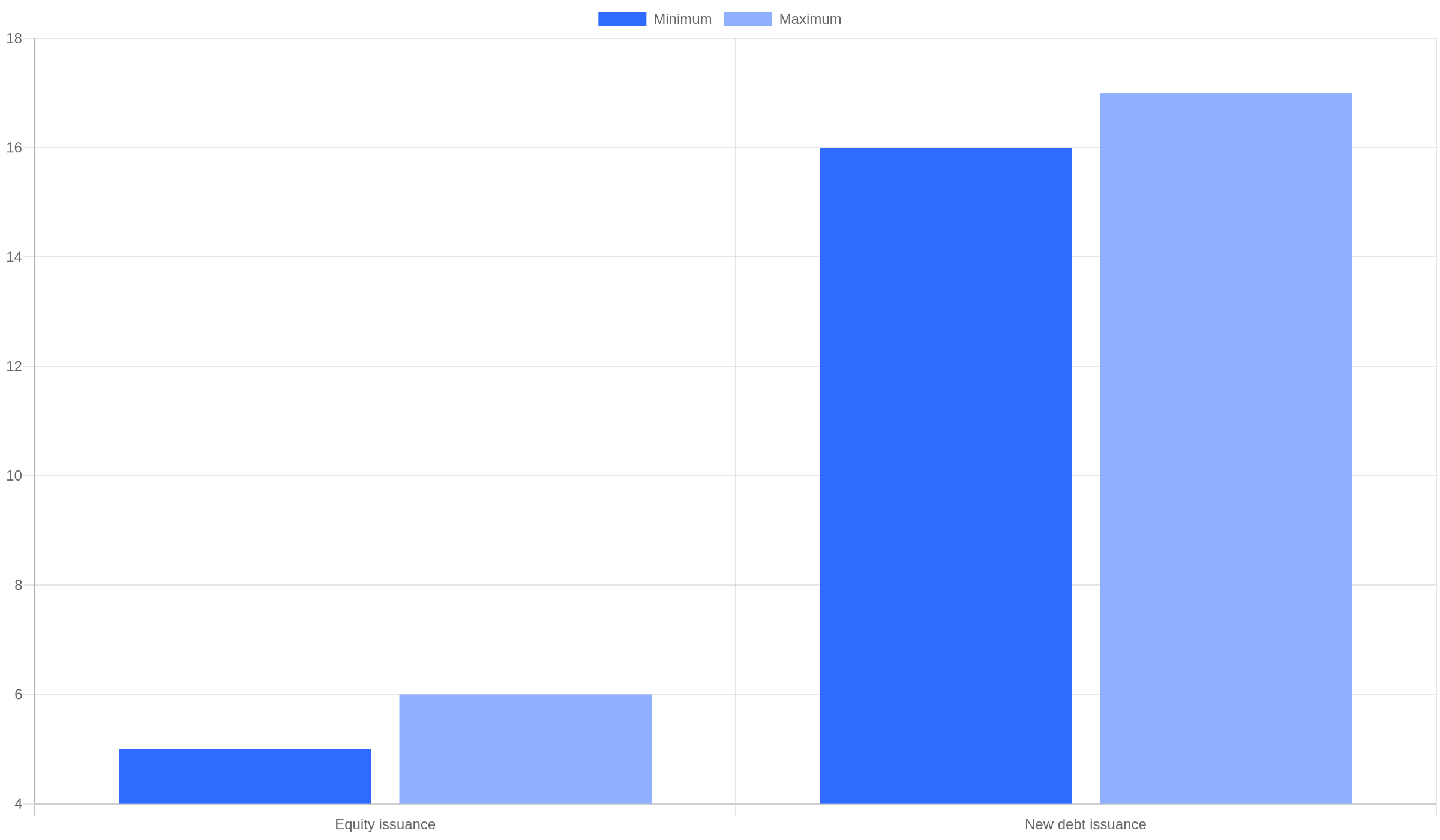
The debt component is nearly three times the maximum planned equity issuance. Schneider expects to retain investment-grade Category A credit ratings, although rating agencies must still provide formal confirmation.
The company also expects to pause share repurchases in 2027 and 2028 after completing €600 million in 2026. That capital-allocation change shows how the Schneider Electric PTC deal will influence cash deployment beyond the purchase price.
Deal financing has become a central part of acquisition analysis. Fusion’s review of the onsemi-Synaptics transaction similarly examined how added debt changed the economics of a technology purchase.
Synergies Carry Much of the Valuation Case
Schneider valued PTC at 21 times estimated 2027 adjusted EBITA. The multiple falls to 13 times only after including the full run-rate synergies projected by management.
The buyer expects €250 million in annual cost savings by the third year. It also projects about €800 million of revenue synergies from cross-selling, wider distribution and joint AI-enabled products.
Those estimates are not guaranteed. They depend on integration, customer retention and Schneider’s ability to connect PTC’s product-design data with AVEVA, energy systems and the proposed Cognite acquisition.
PTC generated €2.4 billion of revenue in calendar 2025 and an adjusted EBITA margin near 40%, according to Schneider’s regulated release. Its revenue and annual recurring revenue are expected to grow about 10% annually through 2029, based on broker consensus cited by the company.
The acquisition would lift software and services to an estimated 24% of Schneider’s pro forma group revenue. The combined platform would employ more than 15,000 software workers and serve over 50,000 customers.
Industrial AI Strategy Extends Beyond Data Centers
PTC supplies computer-aided design, product lifecycle management and service software to more than 30,000 customers. Schneider is buying access to product and engineering data, not only a new software revenue stream.
The strategic claim is that industrial AI performs better when design data connects with factory operations and energy systems. That differs from the hardware-centered buildout described in Fusion’s coverage of Applied Digital’s 250 MW AI capacity.
It also broadens the AI investment debate beyond computing prices. The delayed launch of CME compute futures focused on H100 and B200 rental costs, while Schneider’s proposal targets the data layer used across an industrial product’s life cycle.
Schneider estimates PTC would triple its addressable industrial-software market. Whether that opportunity becomes revenue will depend on interoperability and adoption across manufacturers using different vendors and hardware.
PTC Shareholder Vote Comes Before Q3 2027 Close
Both boards unanimously approved the transaction. Closing still requires support from holders of at least a majority of PTC’s outstanding shares, along with regulatory clearances and customary conditions.
Schneider expects completion by the third quarter of 2027. The company will bring forward its third-quarter 2026 revenue release to October 16, giving investors an earlier view of operating performance and financing capacity.
The next observable catalyst is PTC’s preliminary proxy filing, which should detail the board’s process, potential termination fees and shareholder-meeting schedule. Credit-rating responses and Schneider’s October 16 revenue update will provide the next tests of the acquisition’s balance-sheet assumptions.

Sharron Kendi
Sharron Kendi is a seasoned crypto market analyst and writer with over three years of experience decoding blockchain trends, price movements, and market dynamics. She holds a Bachelor’s Degree in Commerce (Finance) from Kenyatta University, blending a solid academic foundation with a sharp eye for technical analysis and a deep understanding of on-chain data. Her work delivers clear, data-driven insights that empower investors to navigate the fast-evolving digital asset space with confidence.