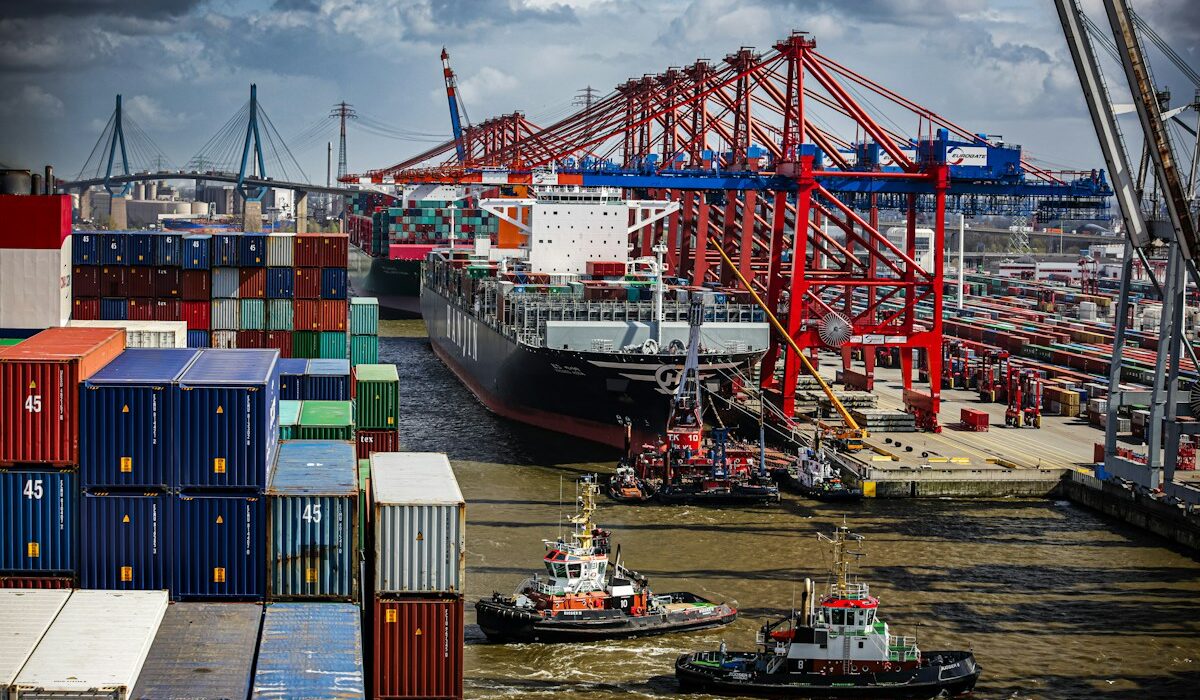
Supply chain chokepoint disruptions can raise input prices even when companies prevent large output losses, according to a new Bank for International Settlements bulletin. The research gives investors a framework for separating a temporary logistics shock from a broader inflation problem.
What the BIS says about supply chain chokepoint disruptions
BIS Bulletin 138, published October 15, says rising geopolitical tensions, trade restrictions and conflicts are increasingly threatening critical nodes in global supply chains. The authors are Ibrahim Alshehri, Ryan Niladri Banerjee, Michael Chui, Anna Maddux, Ko Munakata and Fabrizio Zampolli.
The central finding is not simply that disruptions reduce activity. Companies can often preserve production by switching suppliers, rerouting shipments or drawing down inventories. Those adjustments soften the output hit but may increase the price of materials, transport and intermediate goods.
Why substitution can still create inflation pressure
A substitute route or supplier is rarely identical to the original option. Longer transit times, limited capacity and urgent procurement can push costs higher even when factories keep operating. That makes supply shocks relevant to the inflation outlook alongside domestic demand, including the fuel-cost channel discussed in our U.S. CPI and gasoline inflation analysis.
The same distinction matters for production data. Stable headline output can mask higher input costs and thinner margins, so investors should compare purchasing conditions with measures such as U.S. industrial output rather than treating either series alone as conclusive.
How investors can apply the framework
For companies, the first question is whether a disrupted input has credible alternatives. The second is how much inventory and pricing power the business has. Firms with diversified sourcing may preserve volumes but still face a margin squeeze if replacement inputs remain expensive.
For bond markets, the policy implication is conditional. A central bank may look through a short-lived supply shock, but persistent cost pressure can complicate the inflation path. That trade-off also shapes the role of government bonds as inflation-era safe havens. The BIS argues that policymakers should tailor their response to the shock’s origin, network importance and available private-sector buffers.

Sharron Kendi
Sharron Kendi is a seasoned crypto market analyst and writer with over three years of experience decoding blockchain trends, price movements, and market dynamics. She holds a Bachelor’s Degree in Commerce (Finance) from Kenyatta University, blending a solid academic foundation with a sharp eye for technical analysis and a deep understanding of on-chain data. Her work delivers clear, data-driven insights that empower investors to navigate the fast-evolving digital asset space with confidence.