Google Earth AI gained new access options as Google expanded its geospatial and research tools at the Research@ 2026 event. Google published the announcement on October 14, the same date as the Mountain View event.
Key Insights
- Google Earth AI now connects users to more than 100 million public datasets and over 70 geospatial tools.
- Google opened Deep Review more broadly after researchers used an early version on more than 16,000 technical papers.
- Google.org committed $10 million to crisis-resilience and public-health organizations, including $2 million for infrastructure work.
Google Earth AI expands access
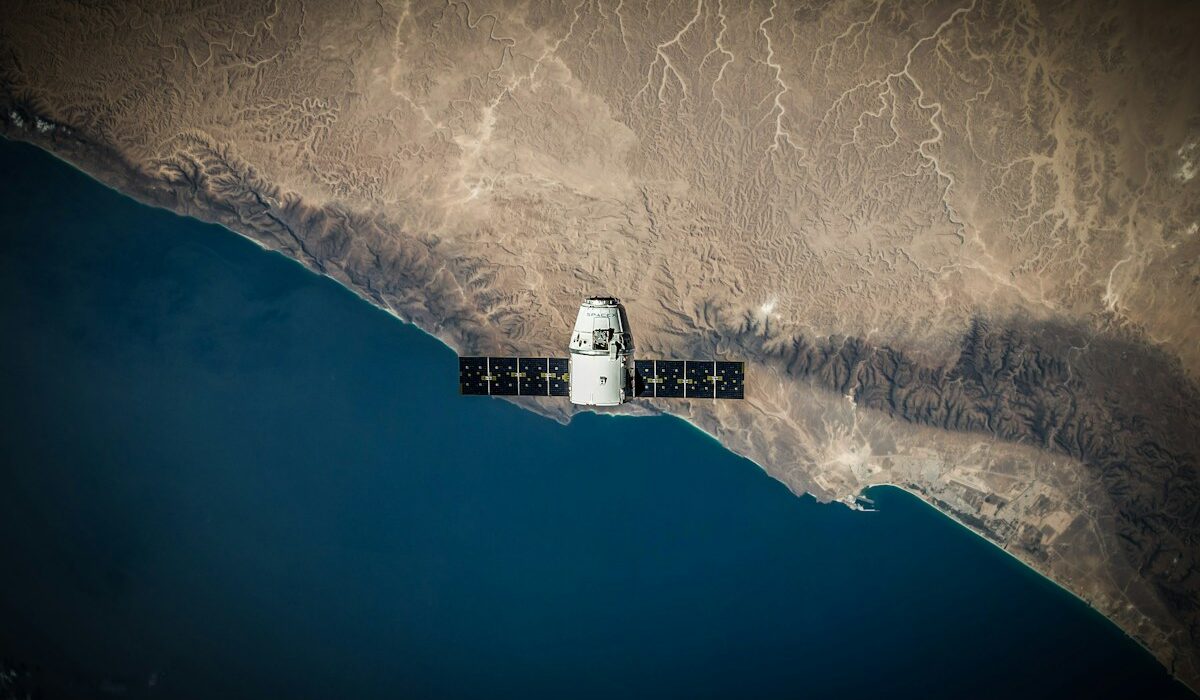
Google said partners can access experimental Earth AI capabilities through deeper Google Earth analysis, a planetary prediction engine and an agent-to-agent API. The API supports tasks including satellite-image parsing, routing and demographic embeddings.
The platform also integrates Google Dataset Search, which indexes more than 100 million public datasets. Google said more than 70 geospatial tools support the system, including remote-sensing and population-dynamics foundation models.
Research tools move beyond geospatial analysis
Google also expanded Deep Review, an agentic system that checks complex documents for logical consistency and factual grounding. Researchers and outside authors used an early version to assess more than 16,000 submissions to leading computer-science conferences.
The company said TimesFM and TabFM will join Gemini for business, allowing users to forecast from time-series and tabular data. That release adds another enterprise AI path alongside Nvidia’s Nemotron 3.5 models and the independent evaluation approach described in Anthropic’s METR program.
What the Google Earth AI rollout means
Google presented the releases as research tools rather than finished commercial products. Early access, pilot programs and waitlists still apply to several features, which means adoption and revenue effects remain uncertain.
Other disclosed metrics show the scale of Google’s research distribution. MedGemma has passed 10 million downloads by more than 65,000 innovators, while a flood dataset built with Groundsource contains over 2.6 million events and supports urban flash-flood forecasts up to 24 hours ahead.
The investment also reflects rising demand for compute and geospatial data. That trend carries infrastructure implications similar to the record power loads described in the latest U.S. electricity-demand report.
Source: Google Research, Research@ 2026: 10 ways we’re amplifying human ingenuity, published October 14, 2026.

Elsy kanana
Elsy Kanana is a financial and cryptocurrency journalist at FusionMarketNews, covering digital assets, blockchain technology, financial markets, and emerging fintech trends. Her reporting focuses on market movements, regulatory developments, and on-chain analytics, delivering clear, data-driven insights to readers worldwide.