
Unity Software reported its strongest quarterly performance to date as advertising growth and tighter costs lifted revenue and profit. The company released the results on November 5 for the quarter ended September 30, separating the announcement date from the reporting period.
Vector drives Unity strategic revenue higher
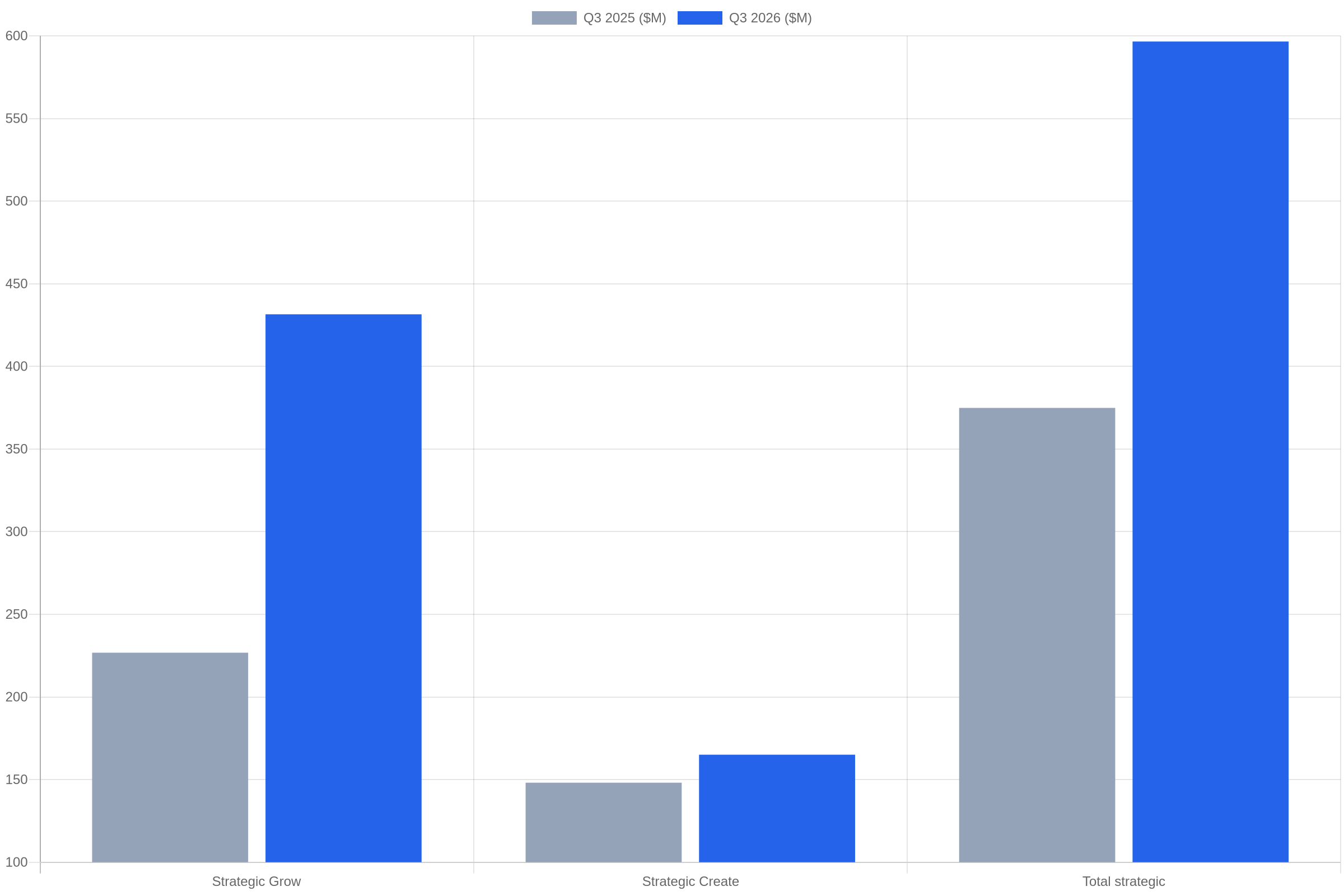
Unity’s official earnings release filed with the SEC showed total third-quarter revenue of $622.1 million, up 32% from $470.6 million a year earlier. Strategic Grow revenue increased to $431.5 million from $226.8 million, while Strategic Create revenue rose to $165.1 million from $148.1 million.
The mix matters because non-strategic revenue fell 73% to $25.5 million after Unity sunset the ironSource Ads network and sold its Supersonic publishing business. That portfolio reset makes strategic revenue a cleaner measure of the operating businesses Unity intends to carry forward.
Profitability changes the investor focus
Unity generated GAAP net income of $121.6 million, or $0.25 per diluted share, versus a $126.8 million loss a year earlier. Adjusted EBITDA reached $257 million with a 41% margin, compared with $109 million and a 23% margin in the prior-year quarter.
Operating cash flow rose to $224 million from $155 million, while free cash flow increased to $220 million from $151 million. The combination of revenue growth and cost control resembles the operating-leverage themes investors are tracking in Appian’s cloud subscription results and SoundHound AI’s profitability outlook.
Unity sets a higher fourth-quarter bar
Unity guided for fourth-quarter strategic revenue of $683 million to $691 million, representing 65% to 67% year-over-year growth. The company expects Strategic Grow revenue of $515 million to $520 million and adjusted EBITDA of $290 million to $295 million.
Those targets are forward-looking and depend on continued Vector momentum, creator activity and advertising demand. Investors comparing platform businesses can also watch how Arm’s royalty and data-center growth translates product adoption into durable revenue.

Sharron Kendi
Sharron Kendi is a seasoned crypto market analyst and writer with over three years of experience decoding blockchain trends, price movements, and market dynamics. She holds a Bachelor’s Degree in Commerce (Finance) from Kenyatta University, blending a solid academic foundation with a sharp eye for technical analysis and a deep understanding of on-chain data. Her work delivers clear, data-driven insights that empower investors to navigate the fast-evolving digital asset space with confidence.