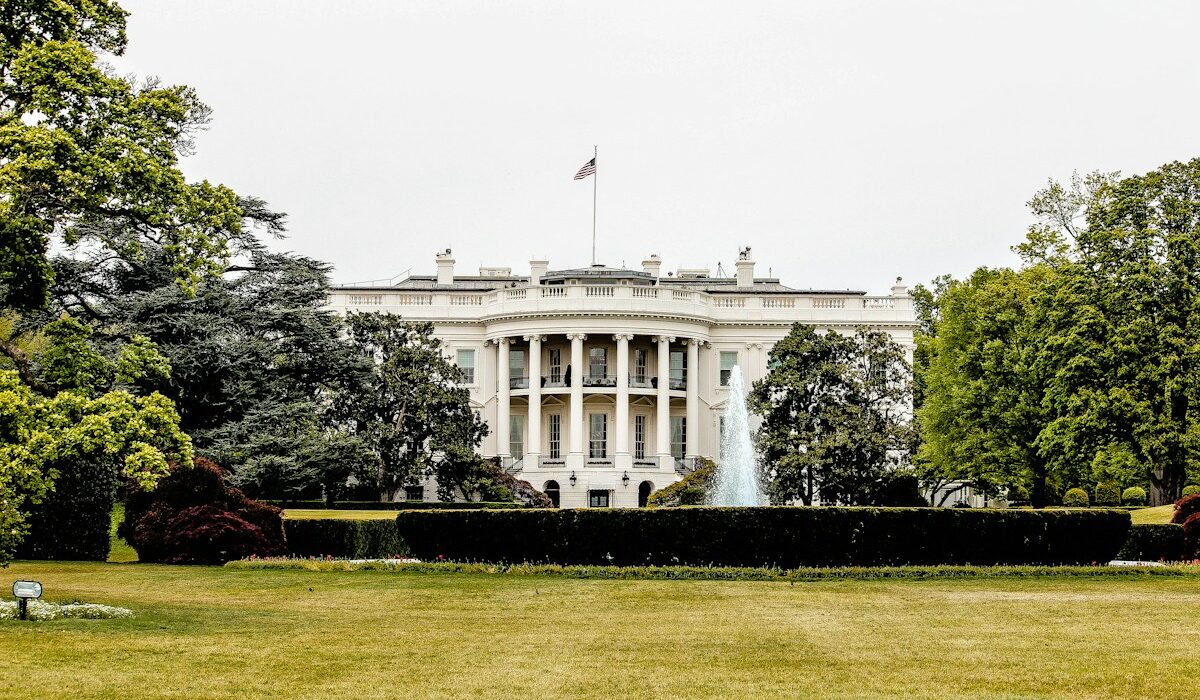
The White House opened a Lisa Cook inquiry under an Oct. 7, 2026, memorandum that created a three-member committee to examine allegations involving the Federal Reserve governor. The committee scheduled a closed hearing for Nov. 5 and will recommend whether the statutory standard for removing Cook “for cause” has been met.
The process creates a formal record after the Supreme Court preserved Cook’s position while litigation over an earlier removal attempt continued. The Court’s June ruling did not decide whether Cook could ultimately be removed, making the committee’s evidence and findings the next test.
Key Insights
- The committee comprises the White House economic policy chief, the EEOC chairman and the Office of Government Ethics director.
- Cook may review the evidence, submit documents and arguments, appear with counsel and provide a post-hearing statement.
- The committee will recommend whether cause exists under federal law, but its findings will not by themselves remove Cook from the Federal Reserve Board.
Lisa Cook Inquiry Sets a November 5 Hearing
The presidential memorandum directed the committee to investigate allegations that Cook made false statements connected to one or more mortgage instruments. Those claims remain allegations, and the order requires the committee to give Cook the evidence it plans to consider before the hearing.
The hearing at the White House can last no more than four hours and will be closed to the public but transcribed. Cook may attend with legal counsel, present written evidence and witness statements, and answer questions from committee members or authorized representatives.
The memorandum named the assistant to the president for economic policy, the Equal Employment Opportunity Commission chairman and the Office of Government Ethics director as committee members. It also allowed consultation with the Justice Department and other executive agencies during the fact-finding process.
Supreme Court Ruling Defines the Legal Test
The Supreme Court denied the administration’s stay application on June 29, leaving an injunction against Cook’s earlier removal in place during the litigation. The majority said accepting the administration’s position would effectively turn the Federal Reserve Act’s for-cause protection into at-will employment.
The justices also stressed that the interim decision did not settle whether the president could lawfully remove Cook for cause. They said the answer would depend partly on facts that had not yet been found or evaluated under the relevant legal standards.
That distinction explains why the new committee is focused on building a factual record rather than setting monetary policy. The process arrives as investors already weigh a divided policy outlook after Federal Reserve minutes signaled another possible rate increase this year.
Fed Governance Keeps Market Attention on Independence
Cook remains listed by the Federal Reserve as a Board governor with a term ending Jan. 31, 2038. Governors participate in monetary policy, financial supervision and payment-system oversight, so removal standards have consequences beyond an individual personnel dispute.
The legal boundary also matters to financial institutions sensitive to policy continuity, including the bank stocks approaching third-quarter earnings. Broader financial-stability work, such as the FSB review of bank-failure backstops, likewise depends on predictable institutional authority and credible decision-making frameworks.
Cook’s initial written position is due at least three days before the Nov. 5 hearing, and any post-hearing statement is due Nov. 10. The next observable development will be the committee’s written findings and recommendation on whether the record establishes cause for removal under 12 U.S.C. § 242.

Sharron Kendi
Sharron Kendi is a seasoned crypto market analyst and writer with over three years of experience decoding blockchain trends, price movements, and market dynamics. She holds a Bachelor’s Degree in Commerce (Finance) from Kenyatta University, blending a solid academic foundation with a sharp eye for technical analysis and a deep understanding of on-chain data. Her work delivers clear, data-driven insights that empower investors to navigate the fast-evolving digital asset space with confidence.