ContextLogic uplisting plans target the first half of 2027, while logistics bottlenecks are limiting shipments at U.S. Salt. The company published the shareholder Q&A on November 18 after reporting third-quarter results.
Management described a major U.S. exchange listing as a priority, but said timing depends on listing requirements and factors outside its full control. ContextLogic expects to provide another update during the first quarter of 2027.
ContextLogic Uplisting Remains a 2027 Objective
ContextLogic did not identify a specific exchange or guarantee approval. The company said it is working with advisers to prepare for an uplisting, which would introduce new compliance, governance and reporting requirements.
Fusion Market News’ coverage of Nasdaq’s initial trading-date rule explains that approved issuers still coordinate the launch date with the exchange. The RedCloud reverse-split case also shows why exchange compliance and continued listing are separate from management’s target.
The company expects its previously announced gChem acquisition to close in late 2026 or the first quarter of 2027. ContextLogic said the related rights offering has a $9-per-unit backstop price and that capital is being prioritized for operating businesses and acquisitions instead of a dividend.
Salt Volume Falls as Trucking Capacity Tightens
U.S. Salt’s third-quarter sales volume declined 6% from a year earlier, following an 8% decline in the second quarter. Volume was down 7% for the first nine months of 2026, and management said it does not expect to recover that year-to-date shortfall in the fourth quarter.
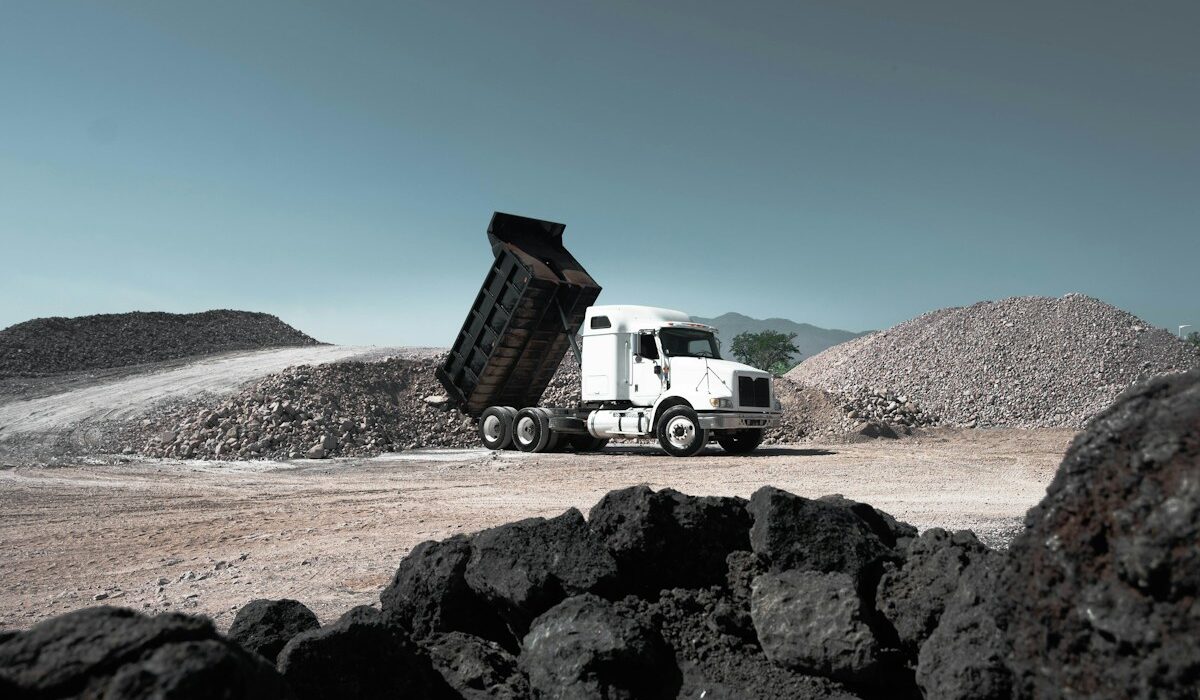
Only about 10% of U.S. Salt volume moves by rail. Trucks carry the remainder, with customers arranging roughly 70% of truck shipments and U.S. Salt arranging about 30%.
Management said demand remains robust, but trucking availability around its upstate New York operation limits deliveries. Lost shipment demand generally is not recovered later because customers source salt elsewhere when the company cannot fulfill an order.
Average selling prices increased about 7% year to date from 2025 through pricing and product mix. However, lower production reduced fixed-cost absorption and pressured gross margin, while space constraints limited the company’s ability to build more inventory.
ContextLogic Uplisting Investors Should Track Execution
U.S. Salt is testing or evaluating drop-and-hook operations, dedicated freight, third-party warehouses and additional rail use. Those measures may expand delivery capacity, but ContextLogic did not provide a timetable or quantified volume benefit.
Third-quarter platform general and administrative expense included about $250,000 of one-time legacy Wish.com litigation and buildout costs, plus roughly $300,000 of noncash stock-based compensation. Fusion’s earnings-report guide explains why investors should separate operating trends from one-time and noncash items.
The primary record is ContextLogic’s SEC-filed shareholder Q&A. The Q&A was published November 18, while the volume comparisons cover the third quarter and first nine months of 2026.
The ContextLogic uplisting target is forward-looking and does not guarantee exchange approval. Freight availability, acquisition timing, listing standards, operating margins and capital needs can alter the outcome. This article is informational and does not provide investment advice.

Sharron Kendi
Sharron Kendi is a seasoned crypto market analyst and writer with over three years of experience decoding blockchain trends, price movements, and market dynamics. She holds a Bachelor’s Degree in Commerce (Finance) from Kenyatta University, blending a solid academic foundation with a sharp eye for technical analysis and a deep understanding of on-chain data. Her work delivers clear, data-driven insights that empower investors to navigate the fast-evolving digital asset space with confidence.