The Airtel Money IPO began conditional trading in London on October 9 at an offer price of £1.96 a share, giving the African mobile-payments business an implied market value of about £5.3 billion. The listing separates a fast-growing financial-services unit from Airtel Africa while leaving the parent company as its controlling shareholder.
Key Insights
- Airtel Money shares started conditional London trading on October 9 at £1.96 each.
- The offer values the business at roughly £5.3 billion, while Airtel Africa remains the controlling shareholder.
- Unconditional trading and admission are expected on October 14, subject to the remaining listing conditions.
Airtel Money IPO Opens Conditional London Trading
The London Stock Exchange announcement was published on October 9, the same day conditional dealings began. Investors should distinguish that event date from October 14, when admission and unconditional trading are expected to start if the final conditions are met.
Airtel Money provides mobile wallets, payments and related financial services across several African markets. The flotation gives public investors a direct way to value that operation separately from Airtel Africa’s telecommunications network, a distinction that matters when comparing the company with broader mobile-network groups.
Offer Price and Ownership Shape the Listing
The £1.96 offer price implies an equity value of approximately £5.3 billion, according to the official offer details. International Finance Corporation also participated as a cornerstone investor for up to £67.2 million, adding a development-finance institution to the initial shareholder base.
Airtel Africa said it intends to remain a long-term strategic and controlling shareholder after the flotation. That structure means minority investors gain exposure to Airtel Money’s growth while the parent continues to influence capital allocation, governance and the relationship between mobile services and the payments platform.
Market value is only a starting point for analysis. Readers can review our guide to market capitalization and then compare the listing valuation with future revenue, profit and cash-flow disclosures rather than treating the headline figure as a complete investment case.
What Investors Should Watch Before Admission
The first checkpoint is whether admission proceeds on the expected October 14 timetable and whether trading liquidity broadens once dealings become unconditional. Investors placing orders around a new listing may also want to revisit how a limit order can cap the maximum purchase price in a volatile market.
The longer-term questions are operational: transaction growth, active users, take rates, credit exposure, regulation and the cost of expanding distribution. Airtel Money’s relationship with Airtel Africa can help customer acquisition, but investors should also assess related-party arrangements and the degree of independence in strategy and governance.
Future financial statements will show whether the valuation is supported by sustainable earnings and cash generation. Our guide on how to read an earnings report explains which income-statement, balance-sheet and cash-flow items can test that thesis as the newly listed company reports results.
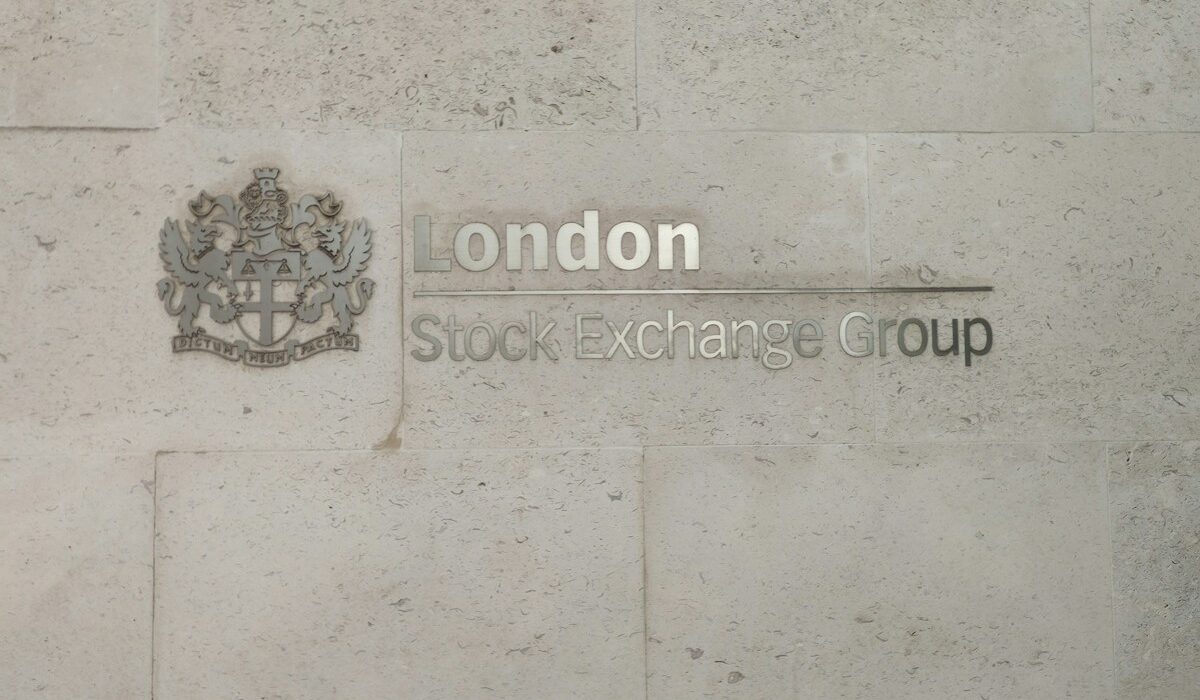
Image: London Stock Exchange entrance. Photo by David Vincent via Unsplash.

Sharron Kendi
Sharron Kendi is a seasoned crypto market analyst and writer with over three years of experience decoding blockchain trends, price movements, and market dynamics. She holds a Bachelor’s Degree in Commerce (Finance) from Kenyatta University, blending a solid academic foundation with a sharp eye for technical analysis and a deep understanding of on-chain data. Her work delivers clear, data-driven insights that empower investors to navigate the fast-evolving digital asset space with confidence.