The Firmus IPO was pulled on October 9, ending a planned Australian Securities Exchange listing that would have ranked among Australia’s biggest public offerings. The AI data-center operator said market volatility and prevailing conditions meant the proposed terms did not reflect its business or long-term outlook.
Key Insights
- Firmus has withdrawn its ASX listing application and will seek private-market funding.
- The abandoned offer puts investor discipline around capital-intensive AI infrastructure in sharper focus.
- The next test is whether private backers will fund Firmus’s expansion without the valuation pressure that stalled the IPO.
The decision matters beyond one transaction because AI infrastructure projects require large, recurring capital commitments before most capacity begins generating revenue. Firmus now has to show that contracted demand and its development pipeline can attract financing on terms its board considers acceptable.
Why Firmus Pulled the IPO
Firmus said it will pursue private capital and consider other public and private market options, according to the company statement reported by ABC News Australia. The board said proceeding on the available terms was not in the best interests of the company or its shareholders.
The withdrawal followed a difficult bookbuild and public questions about valuation. In an investment update released October 8, UniSuper Chief Investment Officer John Pearce said the fund would not participate meaningfully because the proposed valuation required too much to go right.
Why the Firmus IPO Faced a Valuation Test
Pearce said the offer was expected to raise about A$7 billion and value Firmus at roughly A$44 billion. He also flagged the likelihood that the company would need additional debt and equity to finance its expansion, turning future funding needs into a central part of the investment case.
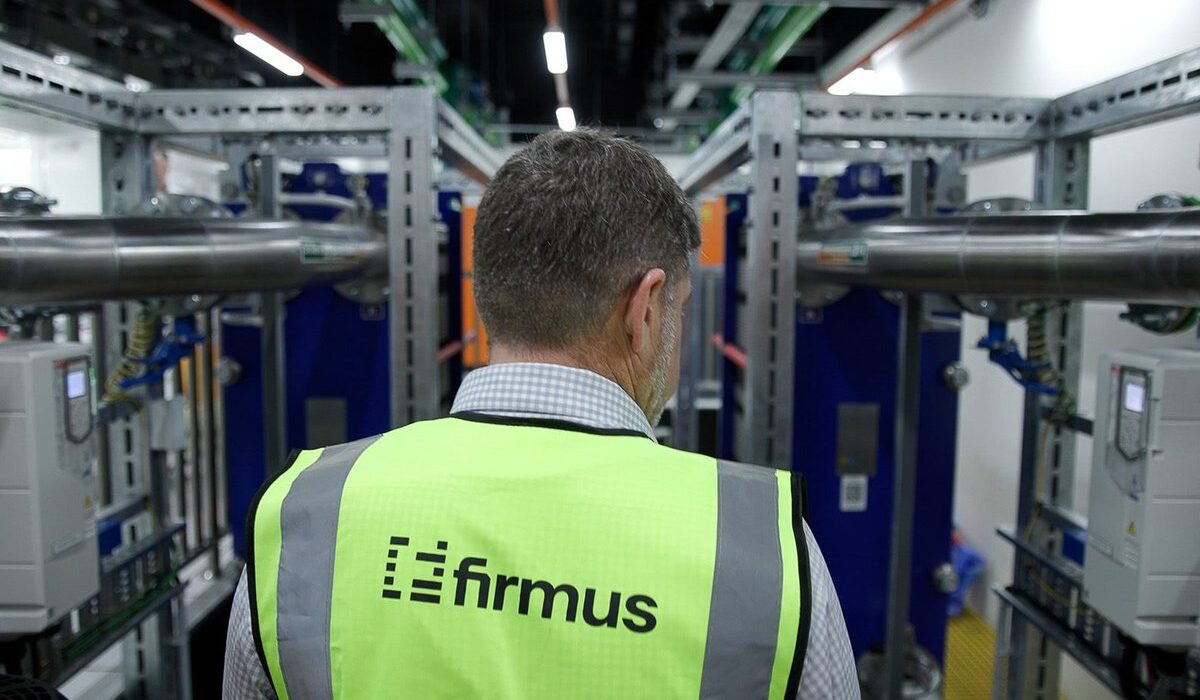
That concern is important for a company whose growth plan remains heavily weighted toward facilities still under development. Firmus said in September that it had more than 900 megawatts of contracted capacity across seven AI factories in four countries, with two sites operating and five targeting service over the following 24 months, according to its company announcement.
Private Capital Becomes the Next Test
Private funding could give Firmus more flexibility on valuation and disclosure than a public listing, but it does not remove the need to finance construction and convert contracts into operating cash flow. The terms, investor mix and timing of any new round will show how private markets value that execution risk.
For readers tracking AI-capital pipelines, the withdrawal contrasts with the planned Green AI Cloud SPAC deal, Applied Digital’s revenue and debt profile, and the Microsoft-Nvidia local AI hardware push. Those stories show how infrastructure builders and platform companies are taking different routes to fund and monetize AI demand.
The next observable catalyst is a Firmus private financing announcement, including its valuation, participating investors and whether the capital fully funds the next stage of construction. Any renewed listing plan would also reveal whether the company chooses a different venue or a materially revised price.

Elsy kanana
Elsy Kanana is a financial and cryptocurrency journalist at FusionMarketNews, covering digital assets, blockchain technology, financial markets, and emerging fintech trends. Her reporting focuses on market movements, regulatory developments, and on-chain analytics, delivering clear, data-driven insights to readers worldwide.